
Palanok Castle: Your Ultimate Guide to Transcarpathia’s Legendary Citadel 🏰✨
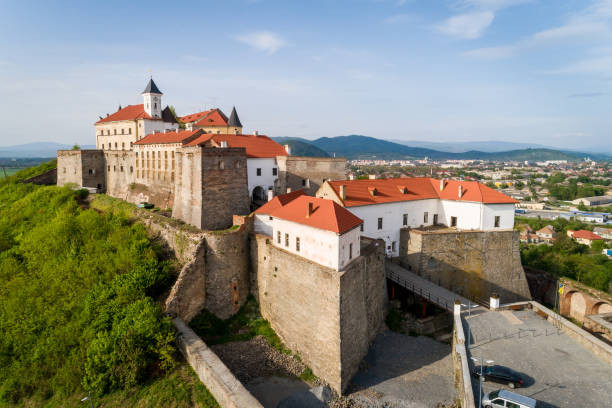
If you’ve ever approached Mukachevo, you know that magical feeling: out of an absolute plain, a solitary mountain suddenly rises, and on its summit, as if growing from the rock itself, stands a majestic fortress. This is Palanok Castle—one of Ukraine's most precious architectural and historical monuments from the 14th–18th centuries. This isn't just another dusty museum; it’s a place where walls several meters thick remember the roar of cannons, the whispers of lovers, and even the footsteps of the devil himself. In this guide, we’ll walk through the centuries, dive into medieval intrigues, and give you tips to make your visit truly unforgettable. 🧗♂️🌋
The Mystery of the Name: Why "Palanok"? 🪵🛡️
The name sounds a bit exotic, but it has a very practical origin. The word "Palanok" comes from the oak palisade (palanok) that used to surround the moat at the base of the castle hill. In the Middle Ages, craftsmen, blacksmiths, armorers, and servants lived behind this fence to serve the fortress. While the wooden fence is long gone, the name stuck so firmly that it displaced the official "Mukachevo Castle."
The Castle Hill itself is actually an extinct volcano. Standing 68 meters above the city, it made the fortress virtually impregnable before the era of modern aviation. Imagine being a medieval soldier in heavy armor trying to storm such a slope under a hail of arrows and boiling pitch! 😱🔥
History Brought to Life: From Princes to Prisoners 📜👑
Palanok’s history is a real Hollywood blockbuster. The fates of Ukrainians, Hungarians, Austrians, and Transylvanians are all intertwined here.
The Era of Fedir Koriatovych The true development of the fortress began at the end of the 14th century with the arrival of the Podolian Prince Fedir Koriatovych. He received these lands as a gift from the Hungarian king. Koriatovych didn't just repair the walls; he transformed a wooden fortification into a mighty stone citadel. It was by his command that the famous 85-meter-deep well was hewn into the rock—a feat we’ll mention again in the legends section. The prince made the castle his residence, and it was during his time that Palanok began to take on its current majestic form. 🏗️🤴
The Rakoczi Dynasty and the Golden Age The castle reached its zenith in the 17th century under the Hungarian Rakoczi princes. They turned the fortress into the capital of their Transylvanian principality. During this time, the castle became one of the most powerful defensive points in all of Central Europe, housing royal regalia, the treasury, and vast stores of weaponry. 💎⚔️
Ilona Zrínyi: The Legend The ultimate symbol of Palanok is a woman whose name every local knows—Ilona Zrínyi. In 1685, Austrian forces besieged the castle. Ilona led the garrison, holding the defense for an incredible 27 months! She personally stood on the bastions, encouraged the soldiers, tended to the wounded, and lived under fire with her children. It was the longest siege in the castle's history. Though the fortress eventually fell due to a betrayal from within, her bravery made her a legend across Europe. Even the Turkish Sultan sent her a special diploma (atname) as a sign of respect for her courage. 💪👸
The "Bastille of the East" After the castle came under the control of the Austrian Empire, its military significance began to fade. At the end of the 18th century, it was converted into one of Europe's harshest prisons. Political prisoners, including leaders of Hungarian uprisings and famous revolutionaries, were held here. The castle casemates still hold that somber atmosphere today. ⛓️🌑
Architectural Quest: Three Castles in One 🗺️🏛️
Palanok is built in cascades, consisting of three levels constructed at different times on different terraces of the mountain.
The Lower Castle This is the first part you’ll see. Built last, in the 17th century, it features massive bastions and deep dry moats. In the old days, guards stood here to check everyone entering. Today, it houses the ticket offices and the entrance to the main courtyard. 💂♂️🚪
The Middle Castle Accessible through a tunnel from the Lower Castle, this area once housed soldiers' barracks, the armory, and storage rooms. Today, the Middle Castle hosts the main museum exhibitions. It’s very cozy, with several cafes and souvenir shops where you can catch your breath before "storming" the summit. ☕🛡️
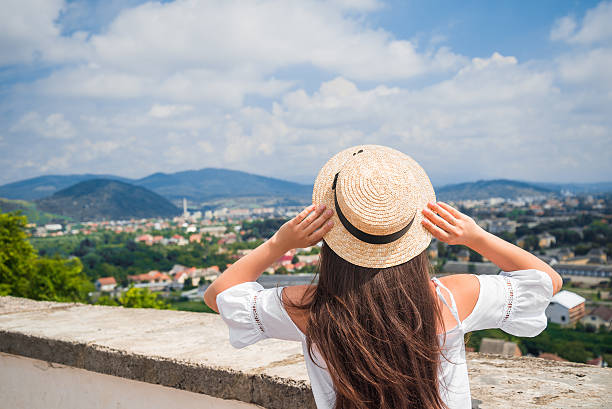
The Upper Castle This is the heart of Palanok, its oldest and most "aristocratic" part. This is where the princes and their families lived. You’ll find beautiful inner courtyards with arcades and a refined atmosphere. The bastions here offer that iconic panorama of Mukachevo and the surrounding mountains that brings thousands of tourists here every year. 📸🌆
Legends That Will Give You Goosebumps 👻👺
The Legend of the Devil and the Well When Koriatovych ordered the well to be dug, the work was grueling. Months passed, but they found no water. In despair, the prince was approached by the Devil, who offered water in exchange for a bag of gold. The prince agreed but, being short on cash, sewed a tiny pouch, put two gold coins in it, and told the Devil, "Here is your bag of gold." The Devil was so furious at the trickery that he jumped into the well—and they say you can still hear him hissing down there in resentment. 👺💰
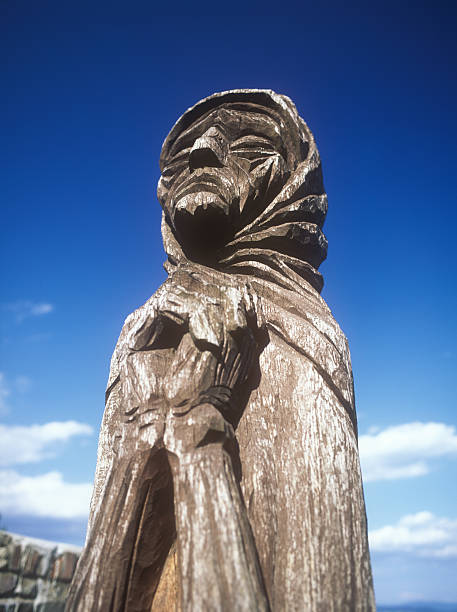
The Prince’s Magic Finger In the Upper Castle stands a monument to Fedir Koriatovych. You’ll notice his index finger is polished to a brilliant shine. Legend says that if you hold the prince’s finger and make a wish (especially about money or success), it will surely come true. Just be prepared to wait your turn! ✨🤞
What to See Inside: A Checklist 🖼️🔍
-
Historical Museum: Everything from prehistoric tools found on the mountain to knightly armor and ancient weapons.
-
Ethnographic Exhibit: Learn how Transcarpathians lived centuries ago—traditional clothing, household items, and folk art.
-
Torture Chamber: Not for the faint of heart, but very atmospheric. You’ll see the methods used in the medieval prison. ⛓️😱
-
Ecumenical Church: A small, peaceful chapel in the Upper Castle. A perfect spot to pause and reflect. 🙏✨
-
Ilona Zrínyi & Ferenc II Rákóczi Monument: This sculpture on the bastion is the most photogenic spot in the castle. 📸👩👦
-
Wine Tastings: In the cool cellars of the Middle Castle, you can often taste famous local wines. Try the "Troyanda Karpat" (Rose of Transcarpathia). 🍷🍇
Practical Info: Planning Your Perfect Day 🎒👟
-
When to go: Spring (late April) brings cherry blossoms to Mukachevo. Summer offers incredible sunsets. Autumn turns the mountains gold. Try to arrive at 9:00 AM to beat the tour buses. 🌸❄️
-
What to wear: Forget heels! Wear sneakers. You’ll be walking on ancient cobblestones and climbing steep stairs. Bring a light jacket; it’s always chilly in the tunnels. 👟🧥
-
How to get there: Mukachevo is a major train hub from Kyiv or Lviv. From the station, the castle is a 30–40 minute walk or a quick taxi/bus ride. 🚕🚆
-
What to eat: Try Bograch (spicy meat soup), Banosh (corn grits with bryndza cheese), or local pastries at the famous Bondarenko confectionery in the city center. 🥘🤤
Palanok Castle is more than just a fortress—it’s a symbol of how human will can turn a rock into an impregnable bastion. It’s a place where you can literally touch history.
You can purchase medical insurance for entry into Ukraine on the website: welcomeukraine.today
Travel responsibly and explore new facets of Ukraine!
Going to Ukraine?
Medical insurance the border accepts — bought online, in your inbox in minutes.
Read next
All articles
Rosh Hashanah in Uman 2026: Dates, How to Get There and Travel Cost
Rosh Hashanah in Uman in 2026 will once again be one of the largest pilgrimage events of the year. Tens of thousands of pilgrims…
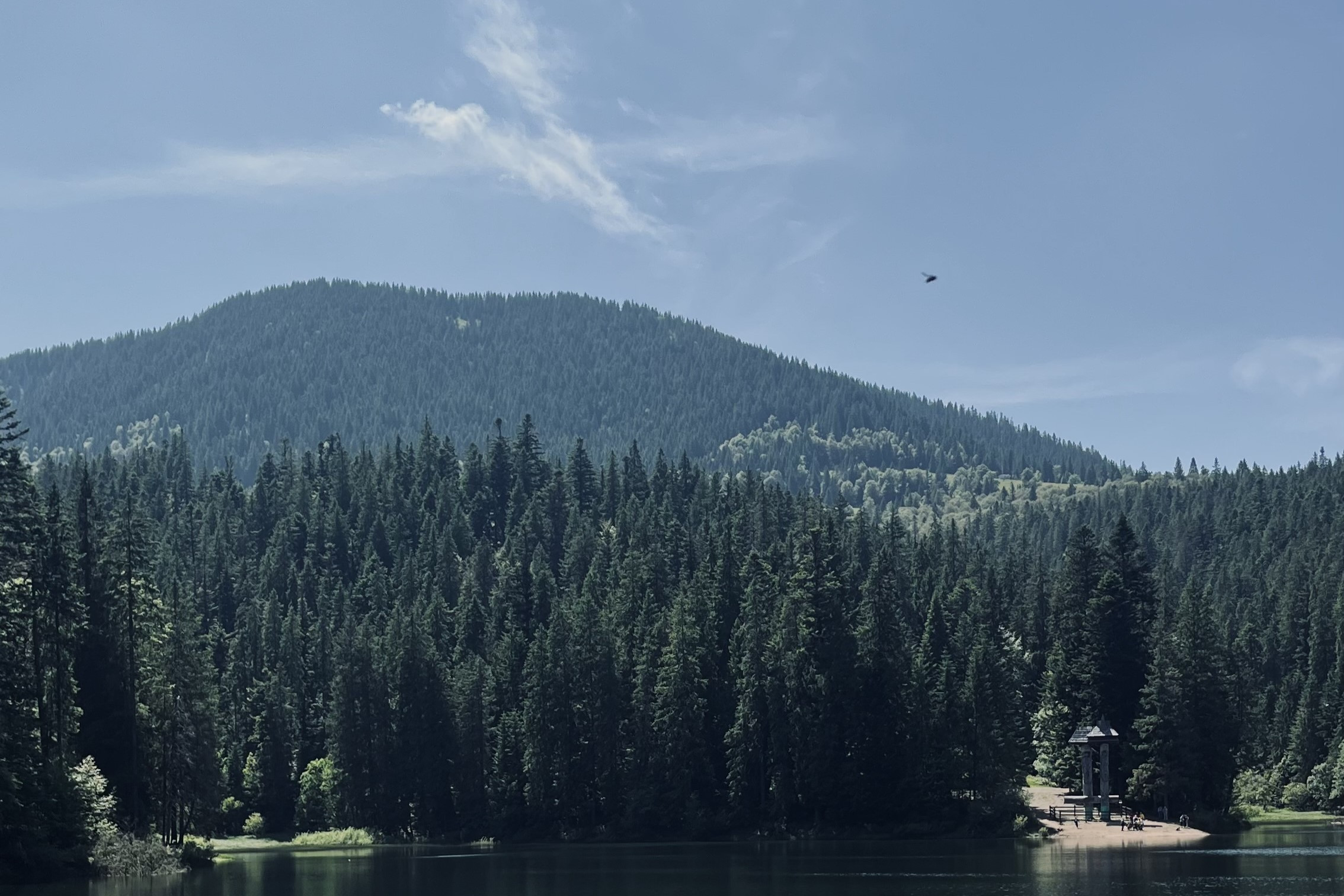
The Ukrainian Carpathians: What to See, How to Get There and How Much a Trip Costs
The Ukrainian Carpathians are a popular destination for foreign travelers who want to see mountains, forests, waterfalls, traditional…
Holidays in Prymorske and Vylkove (Odesa Region) in 2026: Peace, Nature and the Real Ukraine 🌊
Southern Odesa Region today is one of the few seaside destinations in Ukraine where you can still enjoy a peaceful, unhurried holiday. The…