
Kyiv-Mohyla Academy: Majestic History, Architectural Secrets, and a Complete Guide for the Modern Traveler 🏛️✨
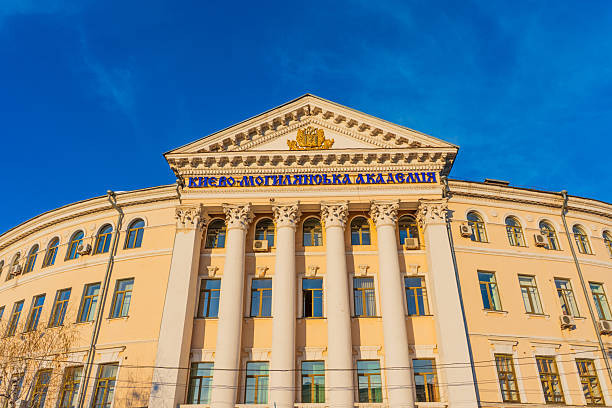
The Heart of Ukrainian Enlightenment: A Complete Guide to Kyiv-Mohyla Academy for Travelers 🎓✨
Kyiv is a city where every hill whispers legends and every street in the Podil district leads to the origins of culture. However, among all the architectural ensembles of the capital, there is one that possesses a special kind of magic. This is the National University of "Kyiv-Mohyla Academy" (NaUKMA). For the modern traveler, this is not just a university campus, but a genuine portal through time, where the Baroque grandeur of the 18th century intertwines with the energy of the progressive youth of the 21st century.
This article is your personal guide into the world of "Mohylanka," from its founding during the Cossack era to its current status as a symbol of freedom and intellectual resistance.
1. The Foundation of Greatness: How It All Began 🕰️
The history of the Academy dates back to 1615, when a noblewoman named Halshka Hulevychivna made a decision that changed the fate of all Eastern Europe. She donated her estate in Podil to the Kyiv Brotherhood to establish a school, a hospital, and a monastery. This was a bold and daring move, as Orthodox education was under heavy pressure at the time, and creating one's own intellectual center was an act of direct cultural resistance.
Later, in 1632, Metropolitan Petro Mohyla — a man of incredible energy, deep faith, and European education — merged the Lavra School with the Brotherhood School. Thus, the Kyiv Collegium was born, which eventually received the honorary status of an Academy. Petro Mohyla sought to create an institution that, in its level of teaching, would not be inferior to the best Jesuit colleges in Europe. Here, they began to teach the "seven liberal arts": grammar, rhetoric, dialectics, arithmetic, geometry, astronomy, and music.
Imagine: in the 17th century, while much of the region still lived by medieval concepts, students within these walls were already reading Aristotle in Latin, writing philosophical treatises, and staging complex theatrical plays, borrowing the best traditions of the European Renaissance.

2. Architectural Treasures: A Walk Through the Campus 🏛️
The Academy's territory is a closed and cozy town in the heart of a bustling metropolis, where every building has its own name, history, and unique character.
The Old Academic Building (Mazepa Building)
If you are looking for the true spirit of Ukrainian Baroque, this is the place to go. This building, erected with funds from Hetman Ivan Mazepa at the beginning of the 18th century, is a jewel of civil architecture.
-
Details: The facade is decorated with elegant pilasters, molded cornices, and figured pediments. Inside, the famous Congregational Hall was once located — a place where the most important intellectual battles of the era took place and the fates of church and state were decided.
-
Legacy: It is this building that is depicted on the Ukrainian 500-hryvnia banknote. Be sure to take out a bill and compare the original with the drawing — it’s a favorite activity for tourists and a great photo opportunity 📸.
Halshka Hulevychivna’s House (The Cookhouse)
This is the oldest surviving residential building in Kyiv. It looks modest against the backdrop of Baroque palaces, but its walls remember the very first patrons and students of the Academy. Today, it houses a museum where you can learn about the daily life, diet, and rules of the students (known as skholyars) of the 17th century. Pay attention to the incredible thickness of the walls — in those days, they built "for the ages," protecting themselves not only from the cold but also from potential raids.
Pierre Brouillon’s Sundial
Walking past the old buildings in the inner courtyard, you will stumble upon an unusual white column. This is a vertical sundial, designed by the mathematics teacher Pierre Brouillon in the 18th century. Numbers are marked on each side of the column, and the shadow from the metal rod accurately shows the time. This is a reminder that Mohylanka was always a center for exact sciences and enlightenment, not just theology ☀️.
The Antonovych Library and the Bachelor’s Library
The modern part of the campus is no less impressive than the historical one. The Antonovych Library is a brilliant example of revitalization, where an old industrial building has been transformed into a stylish loft space for study. There are always many young people here with laptops, fragrant coffee, and stacks of rare books. The atmosphere is reminiscent of the best campuses of Oxford or the Ivy League.
3. Student Life: Latin, Beer, and Philosophy 🍻📚
The life of the "spudeys" (as students were called in the old days) in the 17th and 18th centuries was full of adventure and hardship. Education lasted a long time — sometimes up to 12–15 years! Students were divided into junior classes (where they crammed languages) and senior classes (where they grasped the depths of philosophy and theology).
Interesting Traditions of the Past:
-
Disputes: Students were required to publicly defend their theses. These were real intellectual shows that even ordinary citizens came to watch. The ability to wittily out-argue an opponent was valued higher than a dry knowledge of facts.
-
Wandering Cantors: During vacations, poor students traveled across the country, staged verteps (puppet theaters), sang chants, and earned money for food this way. Thanks to them, education penetrated even the most remote villages.
-
Bursa Life: Life in the bursas (dormitories) was harsh but fun. It was from this environment that many anecdotes and legends arose about the resourcefulness of poor but very smart students.
4. Distinguished Alumni: People Who Changed the World 🌟
Mohylanka educated a whole galaxy of figures whose names have entered world history.
-
Ivan Mazepa: A Hetman-patron who sought to turn Ukraine into a prosperous European state. He not only financed construction but also personally monitored the quality of education.
-
Hryhoriy Skovoroda: The "Ukrainian Socrates." He studied here but later chose the path of a wandering philosopher. His concept of "congenial labor" (doing what one's soul lies in) is still an unofficial slogan for many "Mohylankans" today.
-
Pylyp Orlyk: The author of one of the world's first constitutions in the modern sense of the word.
-
Mikhail Lomonosov: The future founder of Russian science specifically came to Kyiv to study physics and mathematics here, as the level of teaching at Mohylanka at that time was significantly higher than in the educational institutions of Moscow.
-

5. Legends and Modern Rituals 🧙♂️
Modern NaUKMA students are a superstitious people who love their traditions. While walking through the campus, you might witness or even participate in unique rituals:
-
"Cleaning Skovoroda": On Kontraktova Square stands a monument to the philosopher. Every year on Academy Day (October 15), students solemnly wash it with water. It is believed that after this procedure, "Father Hryhoriy" will be benevolent and help students successfully pass the most difficult exams 🧼.
-
The Philosopher's Shoe: If you need inspiration or are looking for an answer to a difficult life question — rubbing the buckle on the shoe of Skovoroda’s monument is considered a mandatory item on the program for every tourist.
-
The Mohylanka Corporation: Graduates call themselves a "brotherhood." A spirit of democracy reigns at the university: it is not customary here to emphasize hierarchy, and discussions between a professor and a student in a cafe over a cup of tea are a common occurrence.
6. What to See Nearby? (The Spirit of Podil) 🥨
Stepping outside the campus gates, you immediately immerse yourself in the atmosphere of old Podil — the most colorful district of Kyiv.
-
The Contract House: This is where grand fairs once took place, where deals worth millions in gold were closed, and where Franz Liszt and Honoré de Balzac performed in the halls.
-
The Samson Fountain: Near the Academy is an elegant rotunda with the figure of a biblical hero. An ancient legend says: whoever drinks water from this fountain will be forever tied to Kyiv by their heart 💧.
-
The Pharmacy Museum: Just a few steps away is an old pharmacy where you can see what alchemists' laboratories looked like and what they used to treat students three hundred years ago (from dried herbs to very exotic potions).
7. Why is Mohylanka More Than Just a University? ✊
In 1817, the Russian Empire closed the Academy, fearing its free-thinking and influence on minds. For long decades, a theological seminary was located here, and in Soviet times — a higher naval school. However, the spirit of enlightenment did not disappear.
In 1991, with Ukraine regaining its independence, Mohylanka became the first university to decisively reject Soviet educational dogmas. It introduced bilingualism, a system of free choice of courses, and Western quality standards. During all the fateful events of modern Ukrainian history, it was the Mohylanka students who were the "engine" of change. For Kyiv, this educational institution is a symbol of conscience and independence.
8. Practical Tips for Tourists 📝
-
Best Time to Visit: May (when the chestnuts are in bloom and the campus is drowned in greenery) or mid-October (the time of the Academy Day celebration).
-
Excursions: The NaUKMA Museum (2 Skovorody St.) operates at the university. We recommend booking an excursion of the grounds and the inner halls of the old buildings in advance.
-
Dress Code: Be prepared to walk a lot. Podil cobblestones can be tricky, so comfortable flat shoes are your best friend 👟.
-
Where to Eat: There are dozens of cozy cafes around the university. Look for those where there are many young people with books — there you are guaranteed to find the best coffee and the most democratic atmosphere.
Conclusion 🕊️
Kyiv-Mohyla Academy is a place where time stands still. Here you can simultaneously feel like you are in a medieval monastery, in the center of a Cossack republic, and in a modern European intellectual hub. It is the living heart of the city that continues to beat, reminding us that the main wealth of any nation is not resources, but knowledge and freedom of thought.
Visit Mohylanka, touch its warm old walls, listen to the hum of student voices, and you will understand much more about Ukraine than from any history textbooks. This place leaves a mark on the soul of everyone ready to open up to its wisdom and beauty.
You can purchase medical insurance for entry into Ukraine on the website: welcomeukraine.today
Travel responsibly and explore new facets of Ukraine!
Going to Ukraine?
Medical insurance the border accepts — bought online, in your inbox in minutes.
Read next
All articles
Rosh Hashanah in Uman 2026: Dates, How to Get There and Travel Cost
Rosh Hashanah in Uman in 2026 will once again be one of the largest pilgrimage events of the year. Tens of thousands of pilgrims…
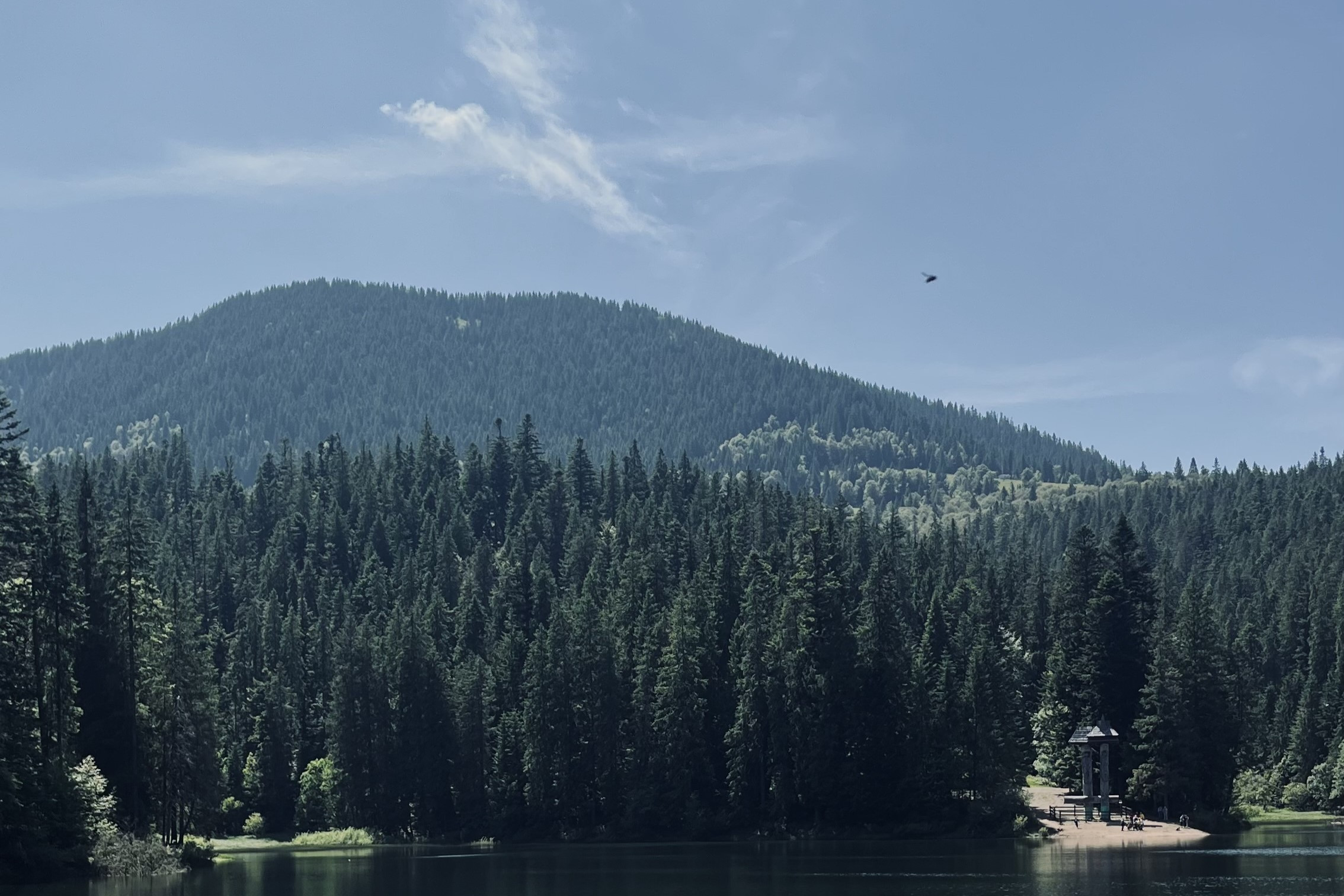
The Ukrainian Carpathians: What to See, How to Get There and How Much a Trip Costs
The Ukrainian Carpathians are a popular destination for foreign travelers who want to see mountains, forests, waterfalls, traditional…
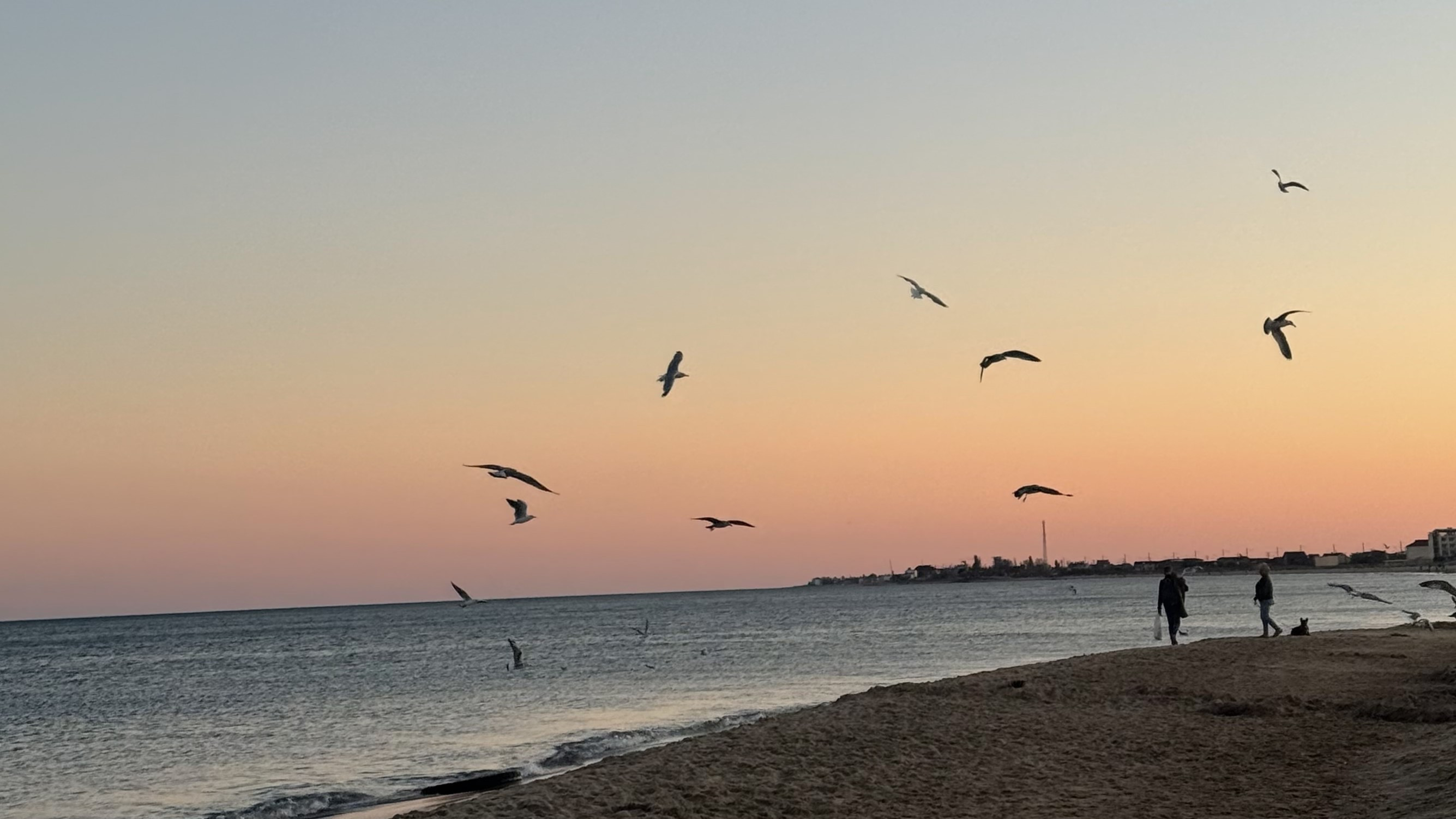
Holidays in Prymorske and Vylkove (Odesa Region) in 2026: Peace, Nature and the Real Ukraine 🌊
Southern Odesa Region today is one of the few seaside destinations in Ukraine where you can still enjoy a peaceful, unhurried holiday. The…