
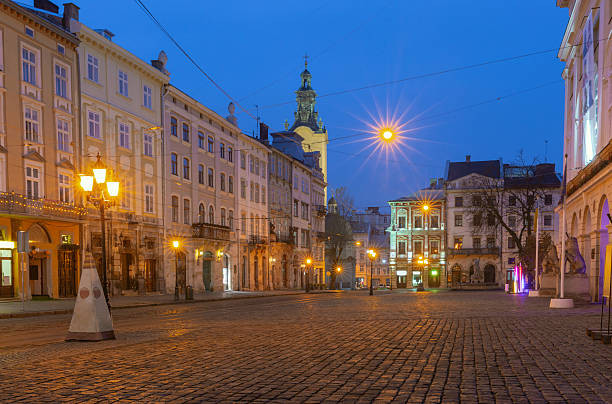
Ploshcha Rynok, or Market Square, is not merely a central point on the map of Lviv; it is a monumental testament to eight centuries of European urban evolution. To understand the square, one must understand its origin. Following the conquest of Lviv by the Polish King Casimir III in the 14th century, the city underwent a radical transformation. Moving away from the traditional Old Ruthenian layout centered around the Old Market, the new administration implemented the Magdeburg Law. This legal and urban framework necessitated a "Ring" — a central square that would serve as the nucleus for trade, governance, and social hierarchy.
The square was designed as a nearly perfect rectangle (142 by 129 meters), a geometric precision that was revolutionary for its time. From each of its four corners, two streets branch out at right angles, creating a grid that defines the historic center. This "checkerboard" layout has remained virtually unchanged for over 600 years, surviving fires, wars, and empires.
II. The Code of the 44 Townhouses
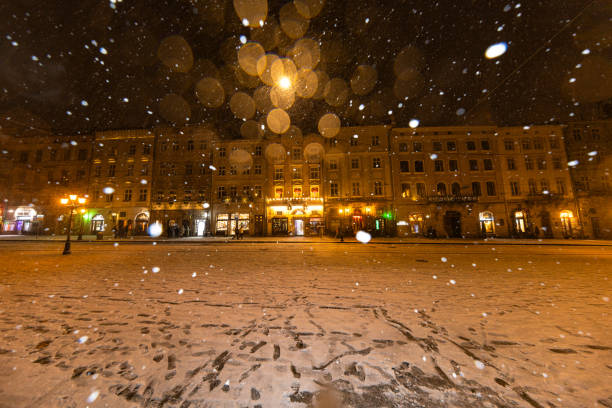
Surrounding the square are 44 distinct townhouses, known locally as kamianytsias. These are not merely residential buildings; they are status symbols. In the Middle Ages and during the Renaissance, the square was the most expensive real estate in the Kingdom of Galicia and Lodomeria.
The most fascinating aspect of these buildings is the "Rule of Three Windows." According to medieval city law, a common burgher had the right to build a house only three windows wide. This was a social equalizer and a tax regulation. Each window facing the square was taxed heavily. If a merchant wanted more windows, they had to provide extraordinary service to the state or pay exorbitant fees. This resulted in the unique architectural rhythm of the square: tall, narrow houses that stretch deep into the block, often featuring hidden courtyards and multi-level cellars.
III. The Legends of Black and Gold
Among the 44 houses, a few stand out as pinnacles of world architecture:
The Black House (No. 4): This is perhaps the most famous building in Lviv. Built at the end of the 16th century, its facade is covered in "diamond rustication" — stones carved into pyramid shapes. Its dark, obsidian-like color was not intentional. Over centuries, the white sandstone absorbed soot from heating and street dust, and the oxidation of lead-based pigments in the paint turned it jet black. Today, it stands as a mysterious sentinel of the Renaissance, adorned with sculptures of saints and intricate carvings.
Korniakt Palace (No. 6): Constantine Korniakt was a wealthy Greek merchant who controlled the wine trade in the region. Because of his immense wealth and service to the Polish Crown, he was granted a rare privilege: the right to build a house six windows wide. Inside lies the "Italian Courtyard," a masterpiece of Renaissance architecture with three-tiered loggias that mirror the palazzos of Florence and Venice. In 1686, the "Eternal Peace" treaty between Poland and Russia was signed within these very walls.
Bandinelli Palace (No. 2): In 1629, an Italian merchant named Roberto Bandinelli established the first regular postal service in Lviv here. The facade is decorated with stone dolphins, symbols of maritime trade and the swift delivery of news across the continent.
IV. The Town Hall: Power, Fire, and Time
In the center of the square stands the Ratusha (Town Hall). The current structure, built in the 1830s in the style of Viennese Classicism, is actually the fourth or fifth version of the building. Previous iterations were destroyed by fires or collapsed due to structural failures.
The 65-meter tower is the square’s highest point. For nearly two centuries, the clock mechanism, manufactured by the Wilhelm Stiehl factory in 1851, has dictated the city’s rhythm. Climbing the 408 steps to the observation deck is a rite of passage for any visitor. From the top, the sea of orange-tiled roofs and Gothic spires reveals why Lviv is often called the "Little Paris of the East."

V. The Mythology of the Four Fountains
At each corner of the square, a limestone fountain stands as a guardian. Created in the late 18th century by the sculptor Hartman Witwer, they depict four figures from Greco-Roman mythology: Neptune, Diana, Amphitrite, and Adonis.
These fountains were not just decorative; they were built over ancient wells that provided water to the city's inhabitants and their horses. Today, they represent Lviv’s deep connection to Western Humanism. During city festivals, locals often dress the statues in traditional Ukrainian embroidered shirts (vyshyvankas), blending ancient myth with national identity.
VI. The Dark History: Execution and Justice
Market Square was also the site of the Pranger or the pillory. A stone pillar once stood in front of the Town Hall where criminals were shamed and punished. The most famous execution took place in 1578, when Ivan Pidkova, a Cossack leader and the ruler of Moldova, was beheaded here. This dark history serves as a reminder that the square was not just a place of beauty, but a place of stern medieval justice.
VII. Modernity and the Scent of Coffee
Today, the square is a vibrant pedestrian zone. The air is thick with the aroma of freshly roasted coffee and chocolate, a legacy of the Austro-Hungarian era. The square is the stage for street musicians, festivals, and political rallies. It is a place where history is lived, not just observed. From the Apothecary Museum "Under the Black Eagle," which has been operating since 1735, to the modern conceptual restaurants hidden in the medieval basements, Ploshcha Rynok remains the soul of Lviv.
You can purchase medical insurance for entry into Ukraine on the website: welcomeukraine.today
Travel responsibly and explore new facets of Ukraine!
Going to Ukraine?
Medical insurance the border accepts — bought online, in your inbox in minutes.
Read next
All articles
Rosh Hashanah in Uman 2026: Dates, How to Get There and Travel Cost
Rosh Hashanah in Uman in 2026 will once again be one of the largest pilgrimage events of the year. Tens of thousands of pilgrims…
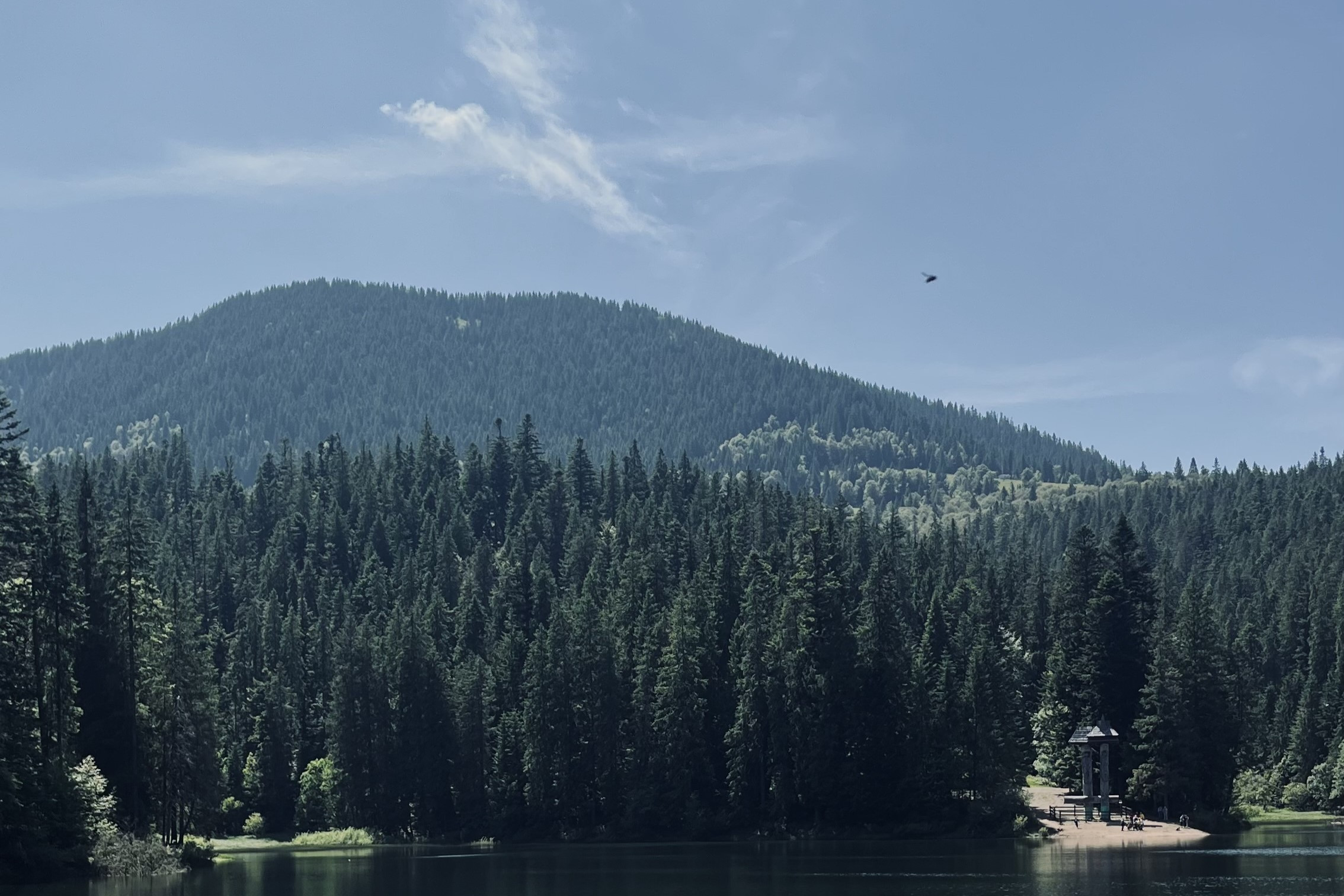
The Ukrainian Carpathians: What to See, How to Get There and How Much a Trip Costs
The Ukrainian Carpathians are a popular destination for foreign travelers who want to see mountains, forests, waterfalls, traditional…
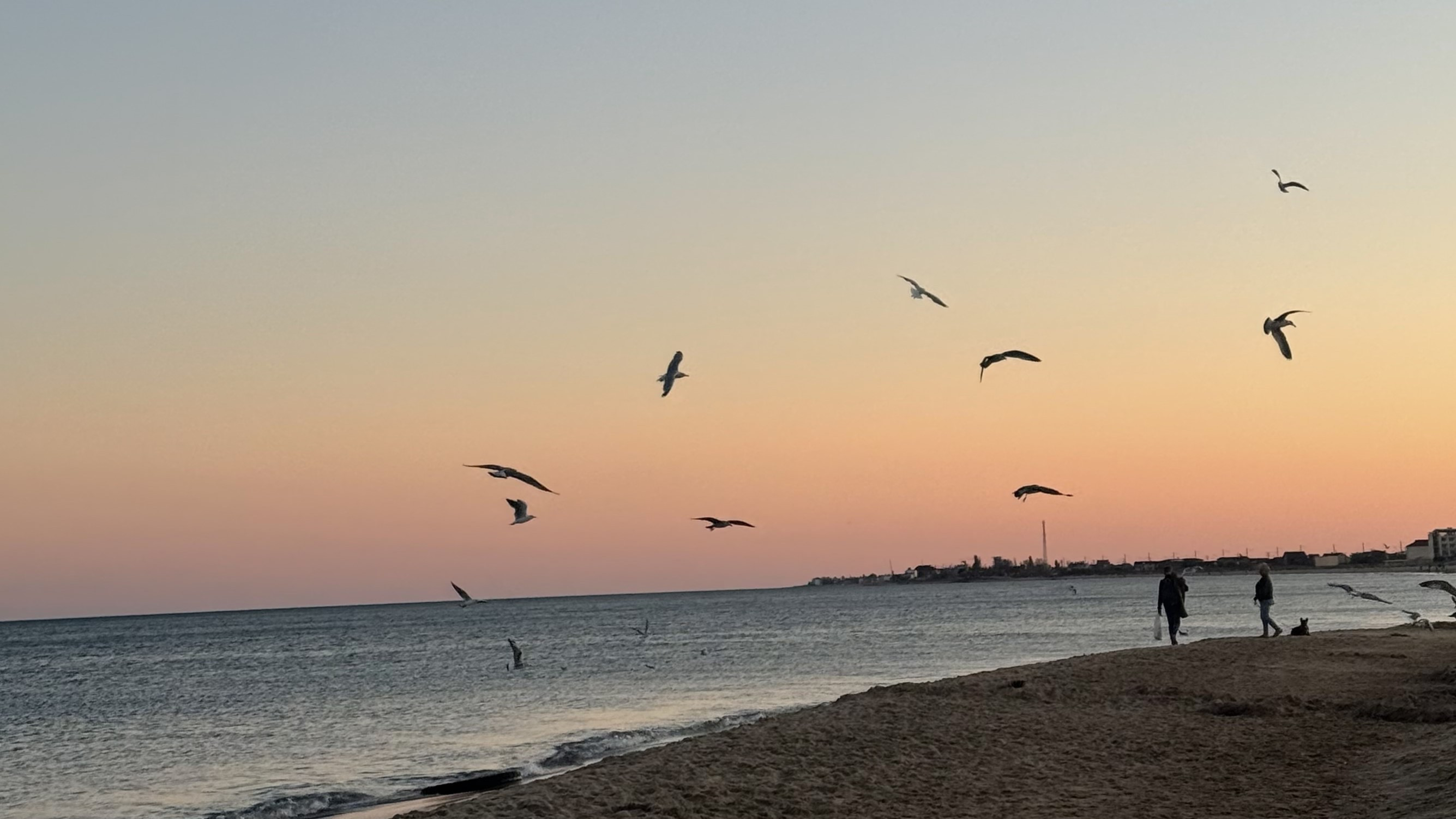
Holidays in Prymorske and Vylkove (Odesa Region) in 2026: Peace, Nature and the Real Ukraine 🌊
Southern Odesa Region today is one of the few seaside destinations in Ukraine where you can still enjoy a peaceful, unhurried holiday. The…