
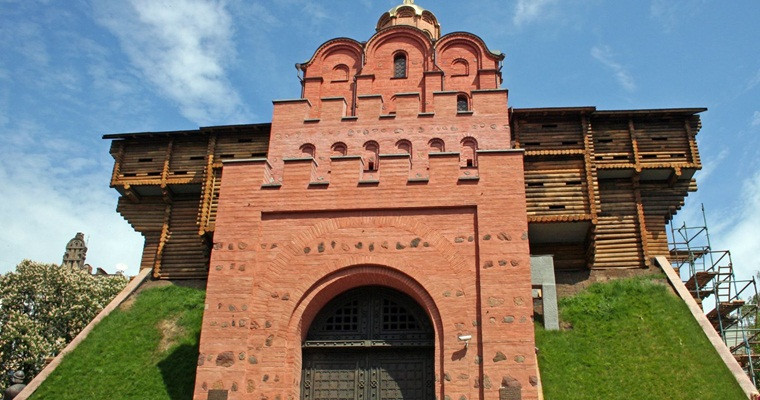
The Golden Gate (Zoloti Vorota) is not just an architectural monument; it is a silent yet majestic witness to Kyiv's thousand-year history, its glory, and its resilience. Standing in the very heart of Ukraine's modern capital, this symbol of Kyivan Rus' invites every tourist to take a journey through time, feel the spirit of the past, and understand why Kyiv was justly called the "mother of Rus' cities."
🏰 Birth of a Symbol: The Era of Yaroslav the Wise and the Architectural Vision
The history of the Golden Gate is closely linked to Prince Yaroslav the Wise. The construction of the gate and the creation of the "City of Yaroslav" (1037 AD) was part of a grandiose plan to transform Kyiv into a Christian capital worthy of rivalry with Constantinople. The name "Golden" was a direct reference to the Byzantine Golden Gate of Constantinople. The Gate was a key element of the defensive line, which stretched for 3.5 kilometres.
🧱 Features of Ancient Rus' Architecture
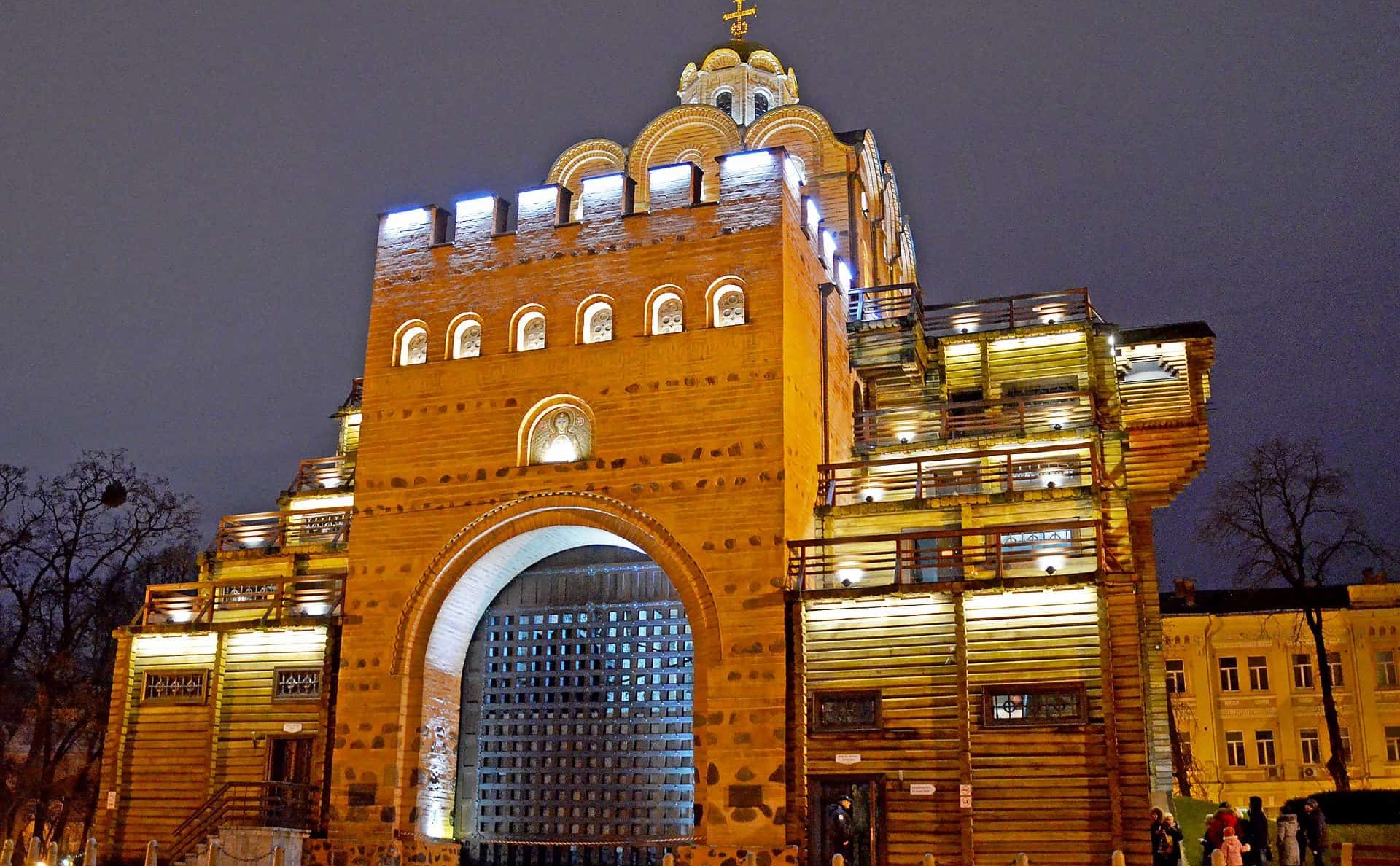
The Gate was built using the unique technique of opus mixtum (mixed masonry): alternating rows of natural stone and plinthos (thin, flat brick). The original structure consisted of two parallel walls (pylons) with an arched passage, which was secured by a portcullis and powerful wooden doors.
🛡️ Impregnable Fortress and Spiritual Shield: Functions of the Gate Church
The Gate served not only a defensive but also a sacred function.
-
The Gate Church of the Annunciation: Located on the second tier, this church served as a spiritual guardian. Its golden domes, shining from afar, symbolized God's blessing and protection. It was the first structure seen by envoys and invaders, immediately highlighting Kyiv's status as a religious centre.
-
Ceremonial Entrance: The Golden Gate was the main triumphal arch through which victorious armies, princes returning from successful campaigns, and high-ranking foreign guests entered the city.
-
📜 A Path Through the Ages: Decline, Oblivion, and the Long-Awaited Reconstruction
After the Mongol invasion of 1240 (which the gate itself withstood) and the subsequent decline of Kyivan Rus', the Golden Gate gradually turned into ruins.
-
17th Century: The original ruins were almost completely covered with earth, becoming part of the Kyiv rampart.
-
19th Century (1832-1834): Discovery and initial reinforcement. A cast-iron roof was erected over the ruins for protection.
-
1982 Reconstruction: A protective pavilion mimicking an ancient Rus' defensive tower was built. This controversial decision allowed for the creation of a full-fledged museum space and, crucially, protected the priceless original 11th-century remnants housed within the pavilion-tower.
🏛️ The Golden Gate Today: A Modern Museum and City Symbol
Today, the Golden Gate is an interactive museum complex offering a deep dive into history.
🚶 What to See:
-
Museum Exhibition: Inside the pavilion, you will see authentic fragments of the plinthos and stone walls, the main historical value. The exhibition details the building technologies of Yaroslav the Wise's era.
-
Observation Deck: Climbing to the upper tier allows you to appreciate the panorama of modern Kyiv from the height of the fortress tower.
-
Monument to Yaroslav the Wise: Located nearby, the monument depicts the prince holding a model of St. Sophia Cathedral.
🚇 Neighbourhood and Cultural Influence
The area around the Golden Gate is one of the most prestigious and cozy in Kyiv. The "Zoloti Vorota" metro station is a true underground palace, whose mosaic-adorned interior continues the ancient Rus' architectural tradition.
📝 In Conclusion
The Golden Gate remains an epic monument combining ancient defensive might and spiritual grandeur. It is a symbol of the indomitability of Ukrainian statehood and proof that Kyiv has always been, and remains, one of the most important capitals of Eastern Europe.
You can purchase medical insurance for entry into Ukraine on the website: welcomeukraine.today
Going to Ukraine?
Medical insurance the border accepts — bought online, in your inbox in minutes.
Read next
All articles
Rosh Hashanah in Uman 2026: Dates, How to Get There and Travel Cost
Rosh Hashanah in Uman in 2026 will once again be one of the largest pilgrimage events of the year. Tens of thousands of pilgrims…

The Ukrainian Carpathians: What to See, How to Get There and How Much a Trip Costs
The Ukrainian Carpathians are a popular destination for foreign travelers who want to see mountains, forests, waterfalls, traditional…
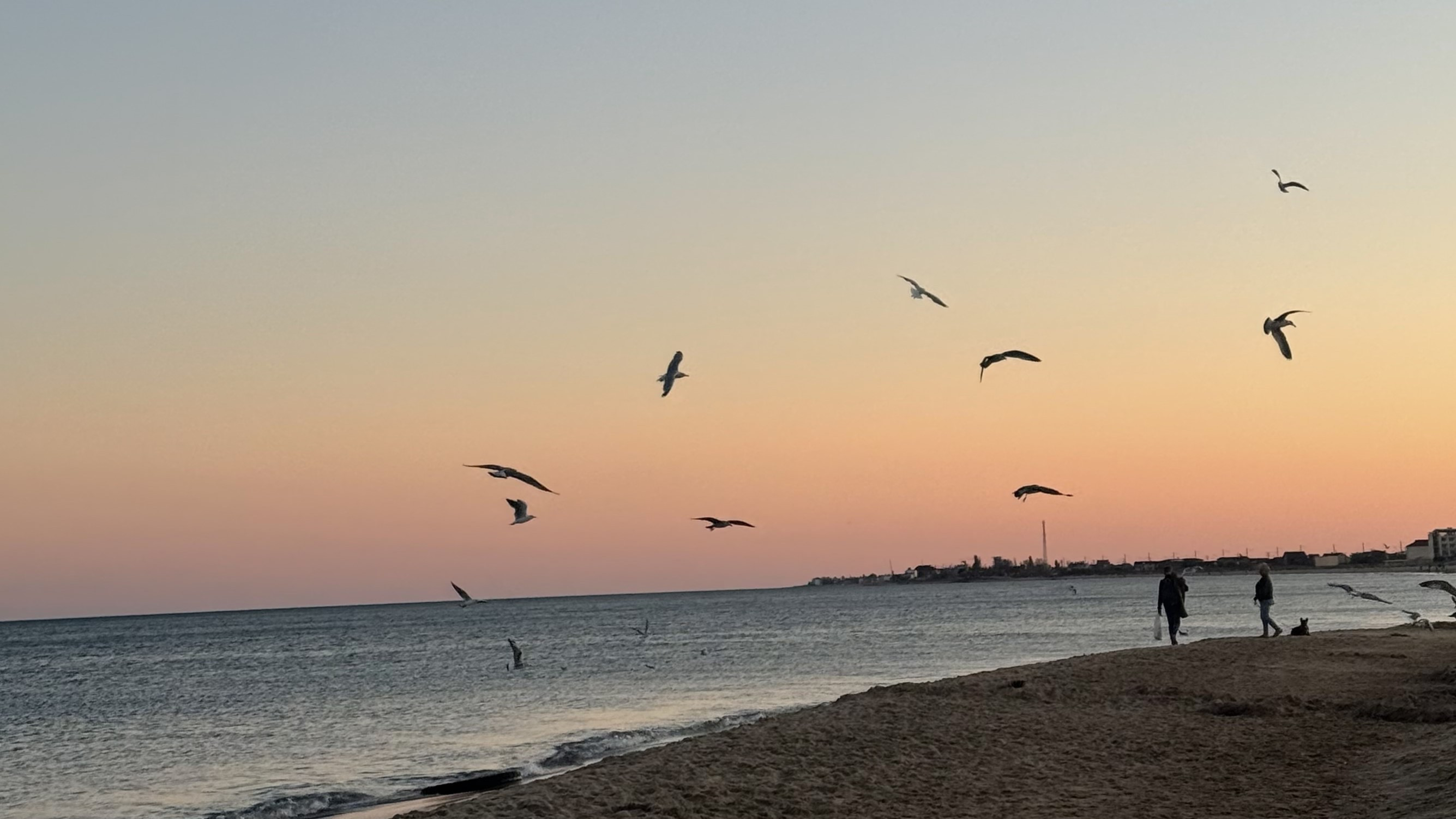
Holidays in Prymorske and Vylkove (Odesa Region) in 2026: Peace, Nature and the Real Ukraine 🌊
Southern Odesa Region today is one of the few seaside destinations in Ukraine where you can still enjoy a peaceful, unhurried holiday. The…