
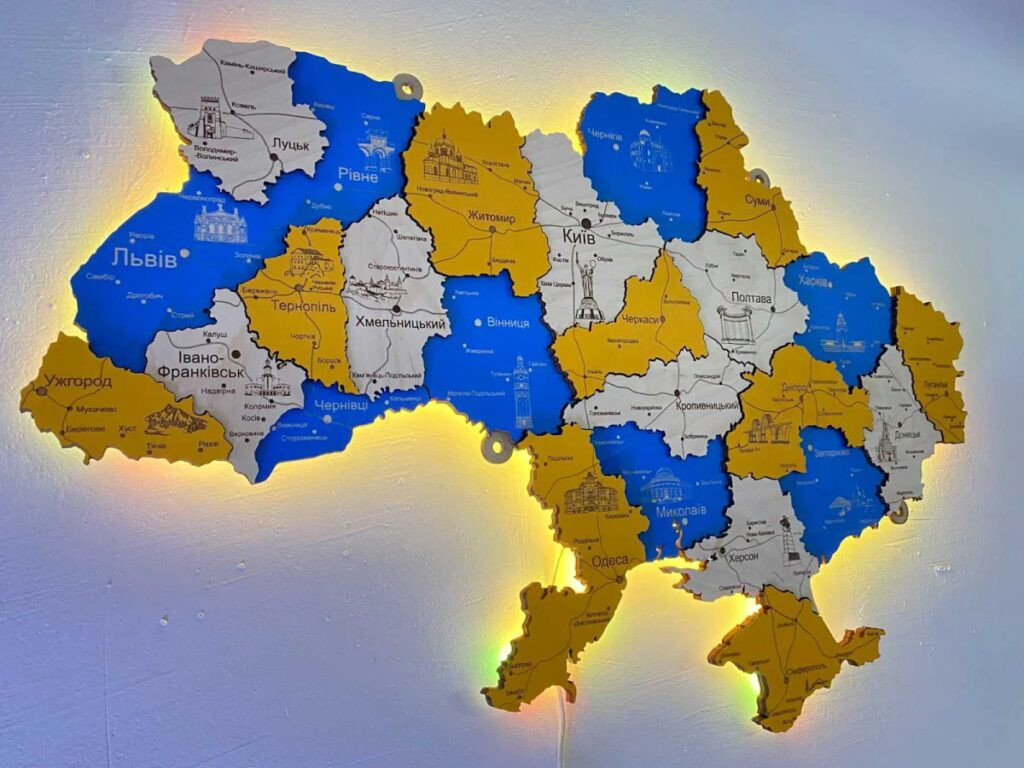
Five Extraordinary Facts About Ukraine That Tourists Should Discover
Ukraine is a land where East meets West, and a thousand years of history are intertwined with incredible nature. It is not just the largest country entirely located in Europe; it is a treasury of unique cultural and historical phenomena. For tourists seeking authentic experiences and a deep dive into the Slavic heritage, we have compiled five key facts, each revealing a special facet of this amazing country.

1. The Home of "Shchedryk" and Unbreakable Musical Culture 🎼
When you hear the world-famous melody “Carol of the Bells,” you are actually listening to a musical masterpiece that originated in Ukraine. The original name of this composition is "Shchedryk," and its author is the Ukrainian composer Mykola Leontovych. He wrote this arrangement of a Ukrainian folk shchedrivka (New Year's carol) in 1916.
Shchedrivky are traditional songs performed on the eve of the New Year (according to the old calendar), wishing the household prosperity, a good harvest, and good health. The melody of "Shchedryk" was first presented to a global audience by the Ukrainian National Chorus, led by Oleksandr Koshyts, during their triumphant tour of Europe and America in the 1920s. Thanks to this journey, the choir performed at Carnegie Hall in New York in 1921, where the song made an incredible impression.
American arranger Peter Wilhousky created the English-language version, which has become an integral part of the Christmas season worldwide. This is not just a song; it is a vivid example of how Ukrainian culture, despite all historical adversities, managed to break onto the world stage and captivate millions of hearts. In Ukraine, music has always been an inseparable part of life, from lyrical dumas (epic poems) and Cossack songs to modern electronic rhythms. When visiting the country, be sure to familiarise yourself with the work of bandura players, as the bandura is one of the most symbolic Ukrainian folk instruments with a centuries-old history. It is not only captivating in its sound but also embodies the spirit of resilience and national identity. Tourists can visit the National Opera of Ukraine in Kyiv to enjoy classical works or check out music clubs in Lviv and Kyiv, where contemporary Ukrainian art is thriving. Music here is a living history.

2. Kyiv Pechersk Lavra and the Underground Treasures of Faith ✨
Kyiv, the capital of Ukraine, is home to one of the holiest and oldest Orthodox shrines in Eastern Europe – the Kyiv Pechersk Lavra (Kyiv Monastery of the Caves). Founded in 1051 by the monks Anthony and Theodosius, the Lavra is not only a UNESCO World Heritage Site but also a living, active monastic community. The word "Lavra" signifies a large, high-ranking monastery, and "Pechersk" (of the Caves) points to its main feature: a complex of underground caves.
It is these caves, or labyrinths, that are one of the most intriguing aspects for visitors. They were dug by the first monks for solitude and prayer, and it is here that the incorruptible relics of many Orthodox saints are preserved. A walk through the narrow, dark corridors of the Near and Far Caves is an extremely profound spiritual and historical experience. When you descend underground, you feel a coldness and silence that sharply contrasts with the hustle and bustle above ground, transporting you a thousand years back in time.
Above ground, the Lavra impresses with its architecture: golden-domed cathedrals, the towering Great Bell Tower, and numerous museums that showcase the history of the monastery and Ukrainian art. For example, the Museum of Historical Treasures of Ukraine is located here, where one can see the legendary Scythian Pectoral — a gold ornament from the 4th century BC. For a tourist, the Lavra is a place where one can simultaneously touch the deep history of Kyivan Rus', feel the spirit of faith that shaped the culture of an entire region, and see unique architectural ensembles in the Ukrainian Baroque style. It is a place that embodies the spiritual heart of the entire Eastern Slavic civilisation.

3. The Deepest Metro Station and Engineering Records 🚇
The Kyiv Metro, opened in 1960, is not only an efficient means of transport but also a veritable underground museum and a world record holder. Arsenalna Station, located on the red line, is officially listed in the Guinness Book of Records as the deepest metro station in the world. It lies at a depth of 105.5 metres below the surface.
This extraordinary depth was dictated by the need for a safe descent under the high hill near the bank of the Dnipro River. The time spent descending and ascending on the escalators at this station takes about five minutes, and sometimes it feels like the descent will never end. For a tourist, this station is a calling card of Soviet-era engineering thought and a surprising experience.
But Ukraine's engineering marvels are not limited to the metro. Take, for instance, the DniproHES dam in Zaporizhzhia — one of the largest hydroelectric power plants and an important industrial and historical site. Or the Kyiv Paton Bridge — one of the world's first all-welded bridges, a unique engineering structure. Even in architecture, Ukraine has distinguished itself with unusual solutions. For example, in the Ivano-Frankivsk region, there is the famous Tunnel of Love, often talked about. Although it appears to be a natural wonder, this arch of trees was actually formed by the regular passage of a train over many years, which consistently trimmed the branches, creating a perfect, symmetrical tunnel. These facts underscore that Ukrainians have always possessed not only a deep respect for nature but also the capacity for creating monumental and unusual engineering projects.

4. The Cradle of Borscht and the Culinary Universe of Varenyky 🥟
Ukrainian cuisine is much more than just food; it is a part of national identity and hospitality. The undisputed king of the table is borscht 🥣. This hearty beet soup, which has countless regional variations, is so culturally important that in 2022, UNESCO inscribed the culture of Ukrainian borscht preparation on the List of Intangible Cultural Heritage in Need of Urgent Safeguarding. This recognition underscores the deep historical and social significance of the dish. Every region, and even every family, has its unique borscht recipe, which may include meat, beans, mushrooms, and some even add cherries 🍒.
The second, no less iconic dish, is varenyky — stuffed dumplings. This is a true culinary phenomenon, as they can be both a savoury main course and a sweet dessert. The most popular fillings include potatoes, cabbage, meat, mushrooms, and for sweet options — cherries, cottage cheese, and poppy seeds. Varenyky are usually served with sour cream or fried onions.
Tourists should also remember other culinary symbols. For example, salo (cured pork fat) — a national delicacy often consumed salted, smoked, or even in chocolate form (yes, it's not a joke, although this is more of an exoticism than a tradition). And there are also holubtsi (cabbage rolls stuffed with rice and meat) and deruny (potato pancakes). Visiting a local market, such as Bessarabsky Market in Kyiv, or a fair in Lviv, will give you the opportunity to feel the true spirit of Ukrainian cuisine and sample unique homemade products. Food in Ukraine is always a generous portion of warmth and love.

5. Lviv, the "City of the Lion": A European Fairytale Atmosphere 🏰
Lviv, located in western Ukraine, is its cultural capital and a city that strikingly differs from other major cities in the country. Its historic centre, a UNESCO World Heritage Site, is a living architectural textbook that reflects the influences of many European cultures, as Lviv was long part of the Polish-Lithuanian Commonwealth and the Austro-Hungarian Empire.
That is why, walking through Rynok Square and the surrounding streets, you will feel an atmosphere that is more reminiscent of Krakow, Vienna, or Prague than a traditional Ukrainian city. Architectural eclecticism reigns here, with Gothic cathedrals, Renaissance houses, Baroque churches, and Secession-style buildings standing side-by-side. Every house has its own history and unique facade.
Lviv is also known as the "city of coffee" and chocolate. Coffee culture thrives here thanks to the strong Austrian influence. Numerous themed coffee houses, such as the famous "Lviv Coffee Mining Manufacture," offer not only drinks but also entire stories and performances. And the "Lviv Chocolate Workshop" has become a local legend.
For tourists, Lviv is the perfect place for walking tours. Climb High Castle for a panoramic view, visit the Latin Cathedral and the Armenian Cathedral, which are architectural gems, and peek into every cosy courtyard, as this is often where the city's true treasures are hidden: small galleries, authentic knaipy (taverns), and atmospheric pubs. Lviv is a city that exudes European charm and Ukrainian hospitality, creating an unforgettable experience for every visitor.
You can purchase medical insurance for entry into Ukraine on the website: welcomeukraine.today
Going to Ukraine?
Medical insurance the border accepts — bought online, in your inbox in minutes.
Read next
All articles
Rosh Hashanah in Uman 2026: Dates, How to Get There and Travel Cost
Rosh Hashanah in Uman in 2026 will once again be one of the largest pilgrimage events of the year. Tens of thousands of pilgrims…

The Ukrainian Carpathians: What to See, How to Get There and How Much a Trip Costs
The Ukrainian Carpathians are a popular destination for foreign travelers who want to see mountains, forests, waterfalls, traditional…
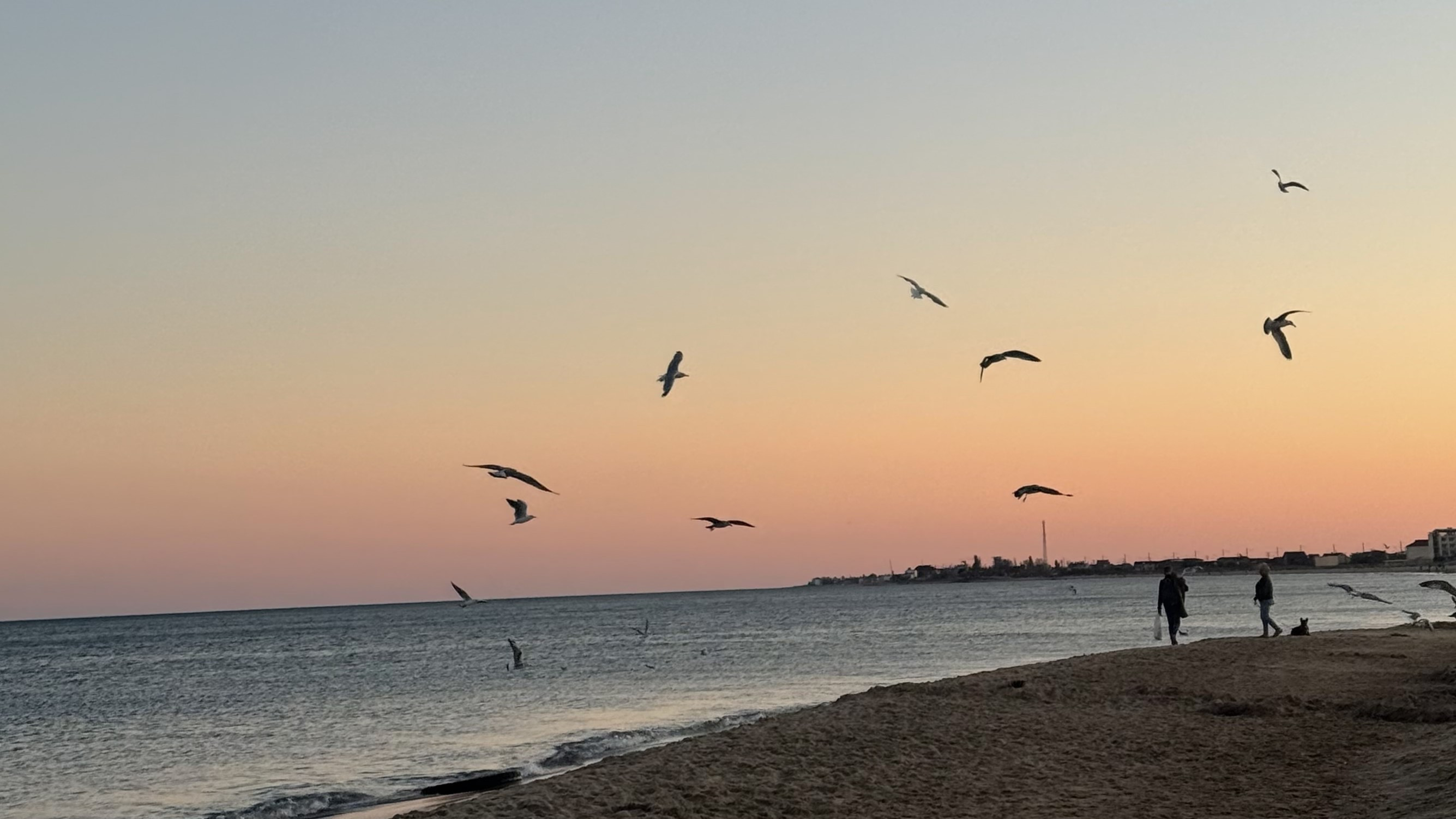
Holidays in Prymorske and Vylkove (Odesa Region) in 2026: Peace, Nature and the Real Ukraine 🌊
Southern Odesa Region today is one of the few seaside destinations in Ukraine where you can still enjoy a peaceful, unhurried holiday. The…