
Opishnia — Capital of Ukrainian Pottery: Museum, Master Classes, and UNESCO Ceramic Heritage
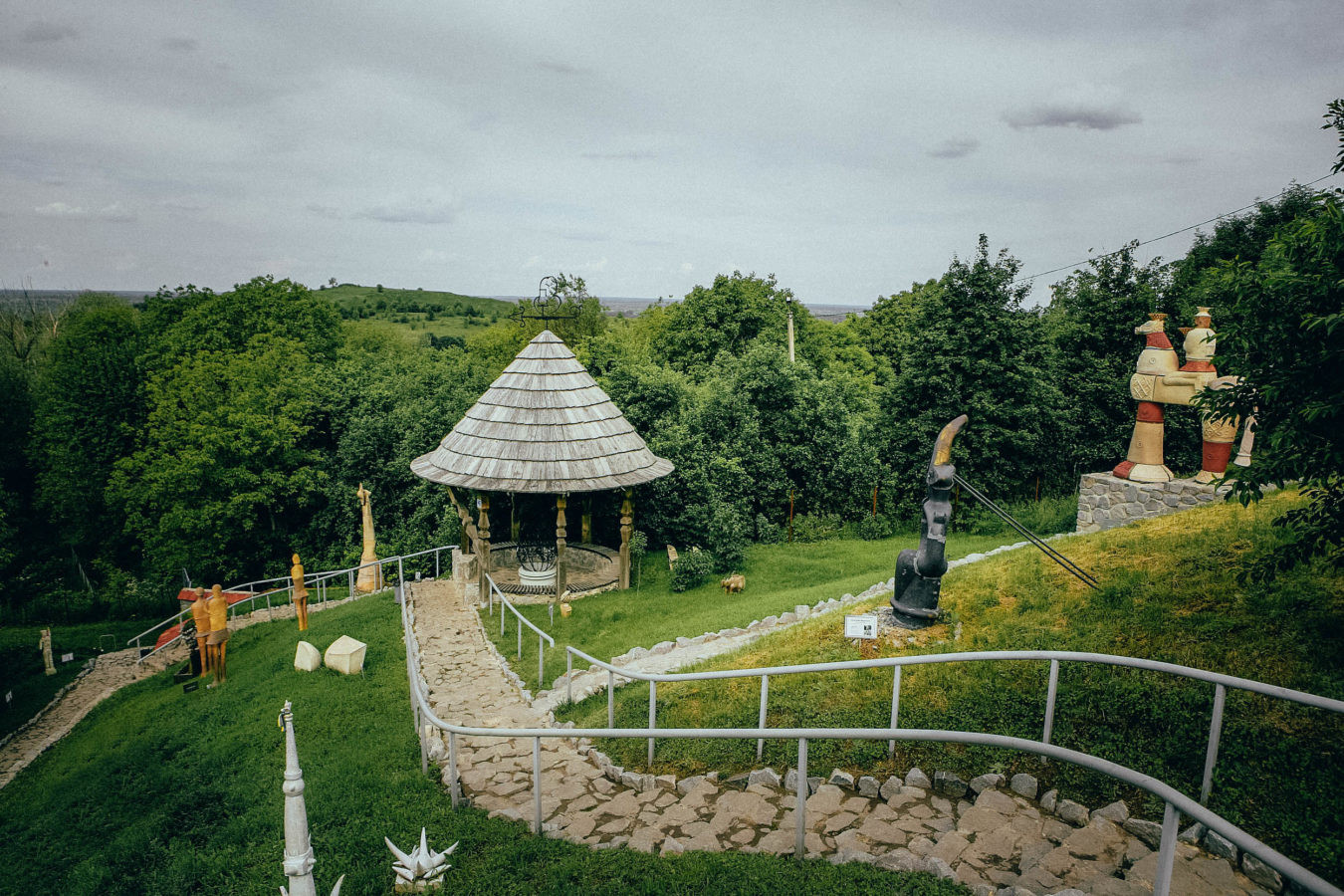
Opishnia is not just a village; it is a center of Ukrainian folk culture, known worldwide as the capital of Ukrainian pottery. Located in the picturesque Poltava region, this urban-type settlement (UTS) has become a living museum where traditions spanning millennia are not just preserved but continue to inspire new generations of craftspeople. For those seeking an authentic, deep immersion into Ukrainian culture, Opishnia is a must-visit destination.
📜 The History of the Ceramic Miracle: From Trypillia to the Present Day ✨
Opishnia's pottery fame did not emerge from nowhere. Archaeological excavations indicate that the traditions of crafting pottery existed here as early as the Neolithic era 🗿, with the peak of local craftsmanship occurring in the 17th–19th centuries. Thanks to unique deposits of high-quality, mineral-rich clay, Opishnia ceramics have always stood out for their special durability and aesthetic appeal.
In the 18th–19th centuries, Opishnia was the largest center of pottery in what is now Ukraine. According to some data, about 1,000 potters worked here 🧑🏭, supplying their goods to fairs throughout the Russian Empire and beyond. Local masters created their own recognizable style—from deep bowls and jugs to fanciful toy figures. It was the geographical location and the powerful artel organization that allowed Opishnia to withstand the pressure of industrialization and preserve the authentic, manual working method.
The Soviet period brought both industrialization and the preservation of the tradition through the creation of artels and the 'Artistic Ceramics' factory. However, Opishnia's true scientific and museum life began in 1986 with the establishment of the National Museum-Reserve of Ukrainian Pottery 🏛️. This step became a lifeline for the tradition, ensuring its scientific study and preservation for future generations.
🎨 Opishnia Style: The Soul of the Ukrainian Land 💛💙
The secret to the success of Opishnia ceramics lies in two main elements: form and ornament.
Form and Utilitarian Purpose 🍶
Opishnia products are primarily everyday utilitarian pottery, adapted to the needs of Poltava cuisine:
-
Twin jugs (Hlechyky-dviyniata) – connected pitchers for oil and vinegar or two types of beverages, a unique regional feature.
-
Mugs, bowls, Makitras (large bowls) – always smooth, symmetrical, with a wide functional part, ideal for preparing and storing borscht, porridge, or varenyky.
-
Gourds, barrels – figural vessels for drinks, which were also used as a festive table element.
Ornament and Painting 🌸
It is the painting that makes Opishnia ceramics unique. These are typically floristic (plant) motifs, full of symbolism of fertility and life:
-
Vase-Flower: The central element, symbolizing the Tree of Life, from which all other elements sprout.
-
Wavy lines: Symbolize water, life, and the flow of time, often bordering the main pattern.
-
Curly lines, combs, "teeth": Geometric elements that add rhythm and completeness to the composition.
The painting is applied with liquid clay – engobe – light, red, or brown, on a gray or yellowish background of the product. This method, known as "rytuvannia" (etching), requires considerable skill from the master. After firing, the ceramics are covered with transparent or colored glaze, which gives them shine and protects them from moisture, making them not only beautiful but also practical.
A special place belongs to the Opishnia toy 🐑 – fanciful figures of rams, lions, and horsemen, often functioning as whistles. They are full of humor, bright colors, and folklore motifs, carrying the ancient images of totem animals and protective charms.
🌟 Eminent Masters and Global Recognition
Opishnia is the cradle of a whole galaxy of brilliant potters whose names are inscribed in golden letters in the history of Ukrainian art. These include figures such as Vasyl Omelianenko, known for his monumental animal sculptures, and Ivan Bilyk, whose works are distinguished by their filigree artistry and deep symbolism. The families of masters are especially noteworthy: the Poshivailo family, who worked for several generations and whose homestead has now been turned into a memorial museum, and the Zalizniak family. It was their tireless work and unique vision that allowed the tradition to be preserved and passed on when it was under threat of extinction. Their works have often been exhibited at international exhibitions, bringing global fame to Opishnia.
In 2023, the tradition of Opishnia ceramics received recognition at the highest level: it was included in the National List of Elements of Intangible Cultural Heritage of Ukraine. This step is an important move toward possible inclusion in the UNESCO 🌍 List of Intangible Cultural Heritage. This emphasizes not only the artistic value but also the social significance of pottery as a living element of Ukrainian identity that continues to evolve and adapt to modern challenges.

🏛️ The National Museum-Reserve of Pottery 🖼️
The main calling card and driving force of Opishnia is the National Museum-Reserve of Ukrainian Pottery (NMRUP). It is the largest collection of pottery in Ukraine and one of the most famous in the world, occupying a significant area and encompassing several exhibition sites.
What to See at the Reserve:
-
Gallery of monumental ceramic sculpture: Large-scale ceramic sculptures created by artists from different countries during international symposiums are exhibited outdoors on the reserve's territory. This fantastic combination of traditional material and contemporary art creates a unique atmosphere.
-
Pottery Museum: Thousands of exhibits are presented, illustrating the evolution of the craft from ancient times to the works of contemporary masters, showcasing stylistic changes and regional characteristics.
-
Memorial Homesteads: Visitors can see how prominent Opishnia potters lived and worked, such as the Poshivailo family. The homesteads are preserved in an authentic form, with stoves, potter's wheels, and tools, allowing visitors to immerse themselves in the past daily life.
-
Institute of Ceramology: A scientific research center that studies, preserves, and popularizes pottery, publishing scholarly works and catalogs.
🖐️ Master Classes and Interactive Experiences 🧑🎨
No trip to Opishnia would be complete without a personal touch of clay. Master classes are regularly held in local workshops and on the museum's grounds, which are not just entertainment but a true practical school:
-
Working on the potter's wheel: Under the guidance of an experienced master, you can independently make a small item, feeling how the pliable clay turns into art.
-
Ceramics painting: Learn the basics of the Opishnia ornament and paint an already fired product, creating your own unique pattern.
-
Creating a clay toy whistle: This is especially popular among children and adults who want to create a funny and unique souvenir that preserves the sound of Opishnia.
Such interactive activities provide tourists not only with a souvenir but also with an understanding of the philosophy and labor invested in each work of art, fostering deep respect for the folk craft.
🕊️ Opishnia in the Context of Today 🛡️
Despite the difficult times, Opishnia continues to live and create. It remains a relatively safe hub in the Poltava region, where artisans from affected regions have relocated and continue to work, finding shelter and opportunity for creativity here. The museum actively collaborates with displaced persons and the military, conducting art therapy sessions, which once again proves that culture is a powerful weapon and a source of resilience. Life continues here, and the ceramic kilns do not fade.
Today, Opishnia is a symbol of the resilience of Ukrainian culture. By visiting this settlement, tourists not only enjoy the beauty of art but also directly support Ukrainian artists and the economy 💰, maintaining the viability of one of the most important cultural centers.
Tip for Tourists: Be sure to visit local shops where you can buy ceramics directly from the masters. Each such item is not just a souvenir but a piece of the soul of the Ukrainian land.
🧭 How to Get There and What to Consider 🚗
-
Location: Opishnia is located in the Zinkiv district of the Poltava region, approximately 50 km from Poltava, making it accessible for a day trip.
-
Transport: The easiest way to get there is by bus or shuttle taxi from Poltava. Travel by private car is also possible, as the roads here are in satisfactory condition.
-
Safety: As everywhere in Ukraine, adherence to air raid alert rules is mandatory. Museum complexes and hotels have equipped shelters 🚨. Before traveling, it is always advisable to check the museum operating hours, as they may change.
-
Seasonality: The best time to visit is spring, summer, and early autumn when you can fully enjoy the open space and outdoor exhibitions, and the nature of the Poltava region is revealed in all its beauty.
Opishnia is an invitation to feel Ukraine by touch. It is a place where clay comes alive, and every piece of pottery tells its story, full of sunshine, wildflowers, and an unwavering national spirit that continues to create even in the darkest times.
You can purchase medical insurance for entry into Ukraine on the website: welcomeukraine.today
Travel responsibly and explore new facets of Ukraine!
Going to Ukraine?
Medical insurance the border accepts — bought online, in your inbox in minutes.
Read next
All articles
Rosh Hashanah in Uman 2026: Dates, How to Get There and Travel Cost
Rosh Hashanah in Uman in 2026 will once again be one of the largest pilgrimage events of the year. Tens of thousands of pilgrims…

The Ukrainian Carpathians: What to See, How to Get There and How Much a Trip Costs
The Ukrainian Carpathians are a popular destination for foreign travelers who want to see mountains, forests, waterfalls, traditional…

Holidays in Prymorske and Vylkove (Odesa Region) in 2026: Peace, Nature and the Real Ukraine 🌊
Southern Odesa Region today is one of the few seaside destinations in Ukraine where you can still enjoy a peaceful, unhurried holiday. The…