
The Culinary Heart of Ukraine: From Borscht with Vushky to Poltava Halushky — A Complete Guide to the Cuisine of the Central Region
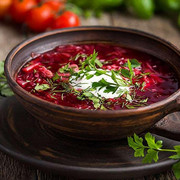
Central Ukraine is not only a geographical center but also the true culinary heart of the country 💖. It is here that the traditions of the East and West, South and North, converge, creating a unique gastronomic profile founded on the generosity of the fertile black soil (chernozem). The flavors of this region are simple and sincere, yet rich in aromas, history, and soul. The cuisine of Central Ukraine is a gastronomic journey, where every dish tells a story about the daily life, the land, and the character of the Ukrainian people, their hard work, and deep respect for nature.
Geography of Flavor and Essential Ingredients 🥕🌾
Central Ukraine covers the Kyiv, Cherkasy, Poltava, Kirovohrad regions, and parts of Vinnytsia and Dnipropetrovsk. Thanks to the ideal fertile soils, these lands provided the population with everything necessary, which shaped the culinary direction:
-
Grains: Wheat, rye, millet, and buckwheat form the foundation. They are used for baking bread 🍞, making kashas (porridges), zatyirka (thick soup), and for the dough of varenyky and halushky. Buckwheat (grechka) traditionally holds a special place, especially in the Poltava region, where it is even used in fillings and for baking.
-
Vegetables: Beetroot is the undisputed leader, determining the color and flavor of borscht. Cabbage (fresh and pickled), potatoes, carrots, and onions are also widely used.
-
Meat and Salo: Pork is the most common meat. Salo 🥓 is not just a product here; it is a strategic reserve and a source of energy. It is salted, smoked, minced with garlic for spread (zatyirka), or used to make cracklings (shkvarky) for flavoring.
-
Dairy Products: Homemade cottage cheese 🧀, sour cream (smetana), and fermented baked milk (ryazhanka) are an integral part of the diet, used in both desserts and as a topping for soups and dumplings.
Borscht — The King of the Ukrainian Table 👑🥣
Ukrainian cuisine is unthinkable without borscht, and the Central Ukrainian version has its distinct features that emphasize its heartiness and depth of flavor.
Preparation Technique and Regional Nuances:
-
Rich Broth: It is cooked thick, "so the spoon can stand," on a rich meat broth (pork, beef on the bone, or poultry).
-
Sauté with Color Fixation: The classic sauté (zazharka) is made from grated beetroot, carrots, and onions. To preserve the vibrant crimson color of the beets, they are necessarily "fixed" with vinegar or lemon juice before being added to the broth.
-
Additional Ingredients: Central borscht often includes beans (white or red), which increases its satiety and nutritional value. In some villages, dried millet is added.
-
Serving Secrets: Borscht must be left to rest after cooking to allow the flavors to meld. Before serving, minced garlic and fresh herbs are added, topped with an essential spoonful of rich homemade sour cream.
-
Borscht "Z Vushkamy" (with Little Ears): In the Poltava and Cherkasy regions, there is a festive tradition of serving borscht with "vushky" — small dumplings with mushroom or meat filling that are added directly into the bowl.
-
Oven Borscht: The most delicious is considered to be the borscht that was simmered in a clay pot in a traditional oven. Long-term stewing gives the vegetables a caramel, deep, and unique flavor.
Varenyky — The Soul of Ukrainian Hospitality 🥟🍒
Varenyky (dumplings) are one of the most beloved dishes. They accompany both everyday meals and grand celebrations, symbolizing prosperity and the warmth of the family hearth.
Dough and Fillings:
-
Tender Dough: The secret to the soft dough of Central Ukrainian hostesses lies in using whey, kefir, or sour cream instead of plain water. This makes the dough elastic and tender after boiling.
-
Favorite Varieties:
-
Savory: Potatoes 🥔 with fried onions and cracklings (shkvarky — pieces of fried salo), stewed sauerkraut, and slightly salted homemade cottage cheese.
-
Sweet: The undisputed leaders are cherries 🍒, strawberries, and poppy seeds, ground with sugar.
-
-
Serving: Savory varenyky are generously dressed with the crackling and onion sauté, while sweet ones are served with sour cream or honey.
Varenyky festivals in Poltava and Cherkasy regions affirm the dish's status as a cultural phenomenon, where enthusiasts can try dozens of varieties, including those with meat, buckwheat, or even liver.
Halushky — The Pride of Poltava ✨
Poltava halushky (soft dumplings) are a simple yet brilliant culinary legacy. These are soft, fluffy pieces of dough boiled in water or broth. They are a symbol of home comfort.
Types and Ways to Eat:
-
Classic: Made from wheat flour with sour milk or kefir, ensuring their lightness.
-
Buckwheat: With the addition of buckwheat flour for a richer flavor and darker color.
-
With Potato: Halushky with added grated or boiled potatoes, making them more substantial.
-
Serving: The key to halushky is the proper "gravy." They are generously poured over with cracklings and golden onions and served with sour cream. They can also be served as an addition to first courses, for example, in chicken broth.
The "Halushky Festival" in Poltava annually draws tourists eager to taste this simple yet profoundly flavorful dish. According to legend, local hostesses knew over 30 halushky recipes.
Salo and Sausages: Meat Heritage 🥓🍖
Salo is an unwavering symbol. It is not just eaten, but "revered." It is preserved in salt, smoked, or used for zatyirka (minced with garlic and spices for spreading on bread). Shponder (smoked pork belly) is a special delicacy, sliced thinly.
Homemade Sausage (Kovbasa): For holidays, homemade pork sausage is prepared. The meat is coarsely chopped, seasoned with garlic, pepper, and coriander. The sausage is baked in the oven or smoked using chips from fruit trees (cherry, apple), which imparts an unforgettable smoky aroma.
Vegetable Dishes and Porridges: The Earth's Bounty 🥬🥒
The abundance of vegetables in Central Ukraine ensured a large number of vegetarian dishes.
-
Pumpkin Porridge (Millet with Pumpkin): This is not just a porridge; it is a symbol of family well-being. It is cooked with milk and millet, baked in an oven, and sweetened with honey.
-
Pickling and Preserves: Autumn and winter are the time for pickling (cabbage, cucumbers 🥒, tomatoes). Preserving recipes passed down through generations are the true pride of every hostess.
-
Spring and Summer Soups: In spring, green borscht with sorrel and egg is prepared. In summer, kholodnyk (cold beetroot soup) or okroshka (cold kvass soup) are popular.
Beverages and Desserts ☕🍰
-
Uzvar: A traditional drink made from dried fruits (apples, pears, plums, cherries) with honey. It is the main drink for Christmas Eve, symbolizing long life and prosperity.
-
Kisiel: A thick drink made from berries (cherries, raspberries) or oatmeal, which served as a full dessert in ancient times.
-
Sweets: Medivnyky (honey gingerbread), makivnyky (poppy seed rolls), and sourdough pies. Pampushky (small buns) are noteworthy, served both with garlic sauce for borscht and sweet (with sugar and poppy seeds).
Culinary Traditions and Rituals
Food in Central Ukraine has always been part of rituals: Christmas — Kutia, Easter — Paska 🥚 and Krashanky (dyed eggs), Weddings — festive borscht and Holubtsi (cabbage rolls). The essential custom of greeting guests with bread and salt 🍞🧂 is a symbol of peace, prosperity, and sincerity.
Modern Cuisine and Gastro-Tourism 👨🍳
Today, traditions are being renewed. Restaurants in Kyiv, Poltava, and Cherkasy combine ancient recipes with modern presentation: borscht with sun-dried tomatoes, halushky with mushroom cream. The core remains simplicity, naturalness, and a love for authentic flavor.
Gastro-Destinations: Poltava ("Halushky Festival"), Kyiv (taverns), Cherkasy (borscht festivals), Kropyvnytskyi (farm gastro-tours).
Conclusion: Central Ukrainian cuisine is a living heritage that continues to thrive in every home. 🥟
You can purchase medical insurance for entry into Ukraine on the website: welcomeukraine.today
Going to Ukraine?
Medical insurance the border accepts — bought online, in your inbox in minutes.
Read next
All articles
Rosh Hashanah in Uman 2026: Dates, How to Get There and Travel Cost
Rosh Hashanah in Uman in 2026 will once again be one of the largest pilgrimage events of the year. Tens of thousands of pilgrims…

The Ukrainian Carpathians: What to See, How to Get There and How Much a Trip Costs
The Ukrainian Carpathians are a popular destination for foreign travelers who want to see mountains, forests, waterfalls, traditional…
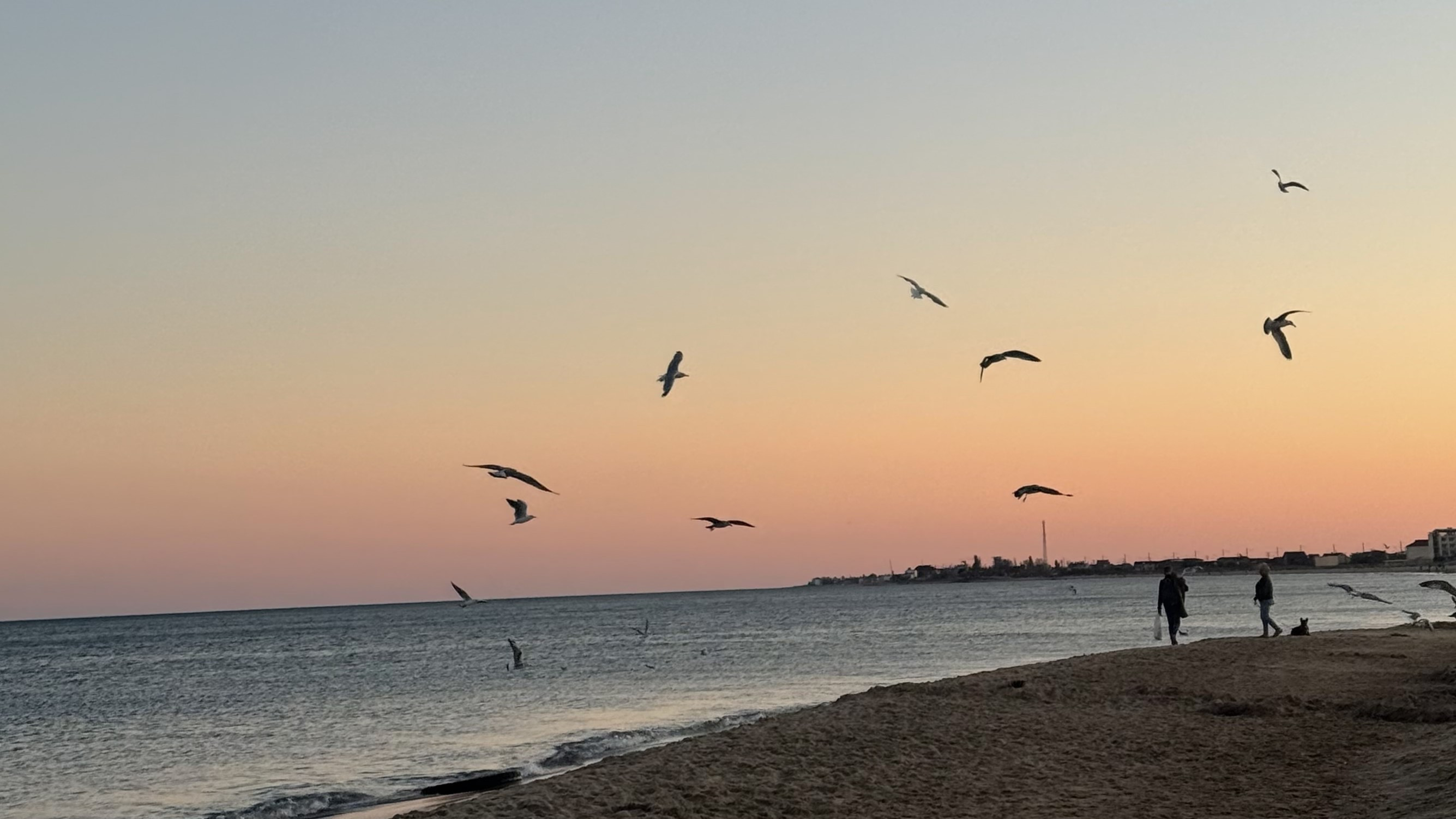
Holidays in Prymorske and Vylkove (Odesa Region) in 2026: Peace, Nature and the Real Ukraine 🌊
Southern Odesa Region today is one of the few seaside destinations in Ukraine where you can still enjoy a peaceful, unhurried holiday. The…