
Autumn's Gifts for Your Health: Fruits and Vitamins – Nature's Immune Shield

Autumn is not just a time of golden leaves, melancholic rains, and cozy evenings under a blanket. It is also a time of trials for our body. With shortening daylight hours, dropping temperatures, and the start of the cold season, the immune system is under particular stress. It is during this period, when nature generously shares its last gifts, that our diet must become a true fortress, filled with vital substances. The benefits of fruits, berries, and vitamins in autumn cannot be overstated, as they are the unbreakable shield that protects us from seasonal ailments and maintains vitality.
I. Natural Replenishment: Essential Autumn Vitamins

The transition from summer to autumn is often accompanied by feelings of fatigue and low energy. Although we may have accumulated some vitamin reserves during the summer, they quickly deplete, and the body needs constant support from natural sources.
Vitamin D: Sunshine in Food. In autumn and winter, due to reduced sunlight, we must seek this important nutrient in our diet. Vitamin D is crucial for maintaining immune function, bone health, and it also affects mood. To get Vitamin D in autumn, focus on including fatty fish (herring, mackerel), eggs, and certain types of mushrooms in your diet. Regular consumption of these foods will help maintain the necessary level of this vitamin.
Vitamin C: The Main Immune Fighter from the Autumn Garden. Vitamin C is a powerful antioxidant that stimulates the production of protective cells, strengthens blood vessel walls, accelerates tissue regeneration, and helps the body resist viruses. Its sufficient consumption is especially important for reducing the duration and severity of colds. Autumn gives us a variety of products extremely rich in this vitamin: rose hips, sea buckthorn, kiwi, all types of cabbage (especially broccoli and Brussels sprouts), as well as seasonal sweet peppers, which in some varieties contain more of it than citrus fruits.
B Vitamins: Energy and Calm for the Nervous System. In autumn, when academic and work loads increase, and stress from weather changes affects the psycho-emotional state, B vitamins (especially B6, B9, B12) come to the forefront. They are essential for supporting the nervous system, involved in energy metabolism, helping to fight fatigue and irritability, and supporting normal blood formation. You can obtain them by consuming whole grains (oats, buckwheat), legumes, leafy greens, nuts, and seeds.
Vitamin A (Beta-Carotene): Protector of Mucous Membranes. Vitamin A is necessary for the health of mucous membranes—the first barrier against infections—and for sharp vision. In autumn, you can get it in the form of beta-carotene, found in brightly coloured orange vegetables and fruits that are symbols of this time of year.
II. Autumn Fruits and Vegetables: A Natural Pharmacy on Your Table

Autumn is the time of a generous harvest, when seasonal fruits and vegetables are at the peak of their nutritional value. They contain the maximum amount of vitamins, minerals, and antioxidants, which our body absorbs best, as they lack artificial preservatives and have not lost their benefits during long-term transportation.
Pumpkin, Carrots, and Sweet Potatoes: The Orange Treasure. These root vegetables and fruits are excellent sources of beta-carotene. Its conversion to Vitamin A helps keep the skin healthy (preventing dryness from autumn winds) and strengthens immunity. Moreover, pumpkin and carrots are rich in fibre, which improves digestion.
Apples and Pears: Fibre and Antioxidants. Apples and pears are the main autumn fruits. They are rich in soluble fibre (pectin), which is essential for gut health. Since most immune cells are located in the gut, healthy digestion is the key to strong immunity. Apples also contain quercetin, a powerful antioxidant with anti-inflammatory properties.
Pomegranate: Antioxidant Superpower. Pomegranate is often called the "king of autumn" for its unique composition. Its seeds contain Vitamins C and K, copper, and polyphenols, particularly punicalagins. These compounds are extremely powerful antioxidants that protect cells from oxidative stress and help reduce inflammation in the body. Regular consumption of pomegranates is beneficial for the cardiovascular system and increasing haemoglobin levels.
Persimmon and Quince: The Late Vitamin Finish. Persimmon is a late autumn fruit that gives us a large amount of beta-carotene and Vitamin C. Quince, although it has an astringent taste, is a valuable source of pectin, which helps remove toxins, and also contains copper and iron.
Citrus and Kiwi: An Inexhaustible Source of Vitamin C. Although their peak is in winter, early citrus fruits, such as mandarins and oranges, begin to appear in autumn, providing the body with the necessary amount of Vitamin C and bioflavonoids. Kiwi is another fruit containing an extremely high concentration of Vitamin C, as well as actinidin—an enzyme that helps digest proteins.
III. Key Minerals and Elements from the Autumn Harvest

Alongside vitamins, minerals play a key role in strengthening the body's defences in autumn, and they should also be sought in seasonal products.
Zinc and Selenium: Immune Microelements. Zinc is critically important for the immune system, participating in the formation of protective cells. Selenium acts as a powerful antioxidant. Autumn sources of zinc and selenium include pumpkin seeds, nuts (especially walnuts and Brazil nuts), legumes, garlic, and mushrooms. Regularly adding these ingredients to meals is a simple and effective strategy.
Fibre (Pectin): Gut Health – The Basis of Immunity. No supplement can replace the quantity and variety of fibre we get from whole autumn fruits and vegetables. Fibre, especially pectin found in apples, pears, pumpkin, and quince, is a prebiotic that nourishes beneficial gut bacteria. A healthy microflora directly correlates with strong immunity and overall well-being.
Fermented Foods: Natural Probiotics. Autumn is the time for preparing sauerkraut. This classic autumn product is an excellent natural source of probiotics that restore beneficial gut microflora. Sauerkraut retains a significant amount of Vitamin C, making it ideal for fighting autumn colds.
IV. The Philosophy of Autumn Nutrition and Healthy Lifestyle

Autumn nutrition should be conscious. Fresh, whole foods grown in your region and harvested in season are the most beneficial. They do not require synthetic substitutes. Fresh juices from carrots and pumpkin, apple and pear purees, raw or baked vegetables – this is the real "vitamin boost."
A balanced diet rich in seasonal fruits and vegetables, adequate intake of clean water, regular moderate physical activity (even simple walks in the fresh air), sufficient sleep, and stress management – this is the formula for autumn resilience. Autumn's gifts are not just food; they are powerful support that provides energy and the ability to enjoy the beauty of this golden season, despite its challenges. Take care of your immunity by relying on the power of nature.
You can purchase medical insurance for entry into Ukraine on the website: welcomeukraine.today
Travel responsibly and explore new facets of Ukraine!
Going to Ukraine?
Medical insurance the border accepts — bought online, in your inbox in minutes.
Read next
All articles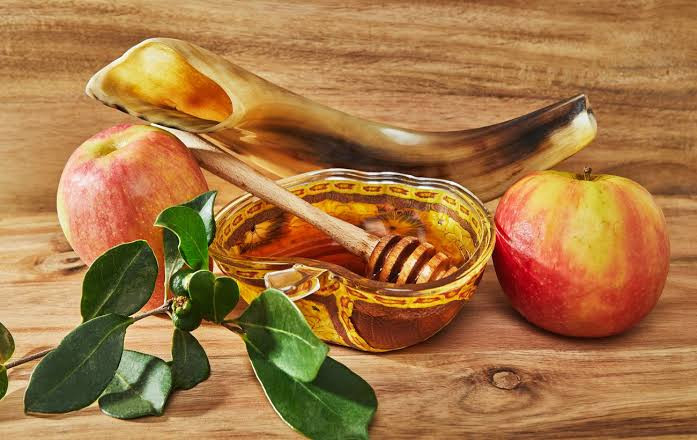
Rosh Hashanah in Uman 2026: Dates, How to Get There and Travel Cost
Rosh Hashanah in Uman in 2026 will once again be one of the largest pilgrimage events of the year. Tens of thousands of pilgrims…

The Ukrainian Carpathians: What to See, How to Get There and How Much a Trip Costs
The Ukrainian Carpathians are a popular destination for foreign travelers who want to see mountains, forests, waterfalls, traditional…

Holidays in Prymorske and Vylkove (Odesa Region) in 2026: Peace, Nature and the Real Ukraine 🌊
Southern Odesa Region today is one of the few seaside destinations in Ukraine where you can still enjoy a peaceful, unhurried holiday. The…