

Odesa: The Pearl by the Sea, A City with a Special Character
Odesa is not just a city; it is a unique cultural and historical phenomenon that stands out among other Ukrainian cities. Located on the shores of the Black Sea, it rightfully bears the title of "Southern Palmyra" and "The Pearl by the Sea." This city, born at the crossroads of civilizations and trade routes, has gifted the world a unique blend of cultures, languages, and humour. Its architecture, history, and unmistakable, somewhat audacious, yet always friendly character create an atmosphere that cannot be mistaken for any other.
The Birth of "Southern Palmyra": History and Foundation
Odesa is a comparatively young city. Its history begins with the decree of the Russian Empress Catherine II in 1794 to establish a city and port on the site of the old Ottoman fortress of Khadzhybei. However, the territory of the modern city has much older roots: archaeological research indicates the existence of ancient settlements here, and the name "Odesa" is linked to the ancient Greek colony of Odessos.
The rapid development of the city was inextricably linked to its port, which quickly became the empire's key gateway for grain export. Thanks to the Porto Franco status (free port), introduced in 1817, Odesa became a magnet for entrepreneurs, traders, and migrants from across Europe and the Middle East. Greeks, Italians, Jews, Ukrainians, Russians, Bulgarians, Armenians — all brought their traditions, languages, and culinary secrets, creating the unique Odesa flavour (koloryt).
A key role in the city's development in the early 19th century was played by foreign city governors, including Duke Armand Emmanuel de Richelieu (whose monument stands today on Primorsky Boulevard) and Count Mikhail Vorontsov. It is thanks to them that the city acquired its elegant architectural look, designed by prominent architects such as Francesco Frappolli, Franz Boffo, Georgi Torricelli, and others.
Architecture and Main Symbols

Odesa is captivating with its architectural integrity, reflecting the styles of Classicism, Empire, and Art Nouveau. The streets are planned in straight, wide blocks that slope down to the sea. The central part of the city is a unified ensemble where no building seems accidental.
The Potemkin Stairs is arguably Odesa's most famous symbol. Designed by architects Franz Boffo, Avraam Melnikov, and engineer John Upton, they are an outstanding example of architectural perspective. Their optical illusion—the stairs appear to be the same width from the top and bottom—makes them unique. The stairs lead from the Richelieu Monument on Primorsky Boulevard to the seaport and became world-famous due to Sergei Eisenstein's film Battleship Potemkin.
The Odesa National Academic Opera and Ballet Theatre is a true architectural pearl. Built in 1887 based on the design of the famous Viennese architects Ferdinand Fellner and Hermann Helmer, it is considered one of the most beautiful in Europe. Its façade in the Viennese Baroque style and luxurious interiors, executed in Rococo, are the embodiment of sophistication and art.
Other significant landmarks include:
-
Vorontsov Palace — the residence of the Governor-General, built in the Empire style.
-
Derybasivska Street — the sleepless heart of the city, named after the founder of the Odesa port, Spanish Admiral José de Ribas. It is a place for strolls, cafés, and meetings, where one can feel the pulse of Odesa.
-
The Catacombs — a unique network of underground tunnels stretching for thousands of kilometres beneath the city and its surroundings. They originated from the quarrying of coquina stone for the city's construction and served as a refuge for smugglers, and during World War II, as a base for partisans.
Odesa Flavour and Humour

The true soul of Odesa lies in its koloryt (flavour)—an inimitable blend of Jewish, Ukrainian, Greek, and other traditions that formed a special local dialect (the so-called "Odesa language") and a unique sense of humour.
Odesa humour is not just jokes. It is a philosophy of life, an art of communication, and a way of solving problems. It is characterised by self-irony, wisdom, and the use of special phrases and question-answers that require no response: "Sho vy meni rozkazuete?" (What are you telling me?) or "Vy khochete pohovoryty pro tse?" (Do you want to talk about this?). Many prominent writers and humorists, including Isaac Babel, Ilya Ilf and Yevgeny Petrov, and Mykhailo Zhvanetsky, were born or worked in Odesa, immortalising its distinctive spirit in their works.
A significant place where this flavour can be felt is Pryvoz — Odesa's oldest and most famous market. It is not merely a place of trade but a real theatre where vendors and buyers stage entire performances, bargaining, joking, and exchanging the latest news.
Culinary Map

Odesa's cuisine is a reflection of its multicultural history. It combines Ukrainian, Jewish, Greek, Bulgarian, and Moldovan elements, and most importantly—it is always generously seasoned with the gifts of the Black Sea.
The main culinary symbols of Odesa:
-
Tyulka patties (fish cakes from sprat) — fried fish that is a simple yet cult local delicacy.
-
Forshmak — a Jewish herring dish that has become an integral part of the local cuisine.
-
Ikra z synenkykh (eggplant caviar) — a piquant relish prepared in every Odesa family.
-
Crayfish and other seafood, which are served almost everywhere in Odesa.
Odesa is a city where eating is not just a necessity but a true ritual and a part of social interaction. Local restaurants and cafés, from expensive establishments to small, cosy courtyards, offer an unparalleled gastronomic journey.
The Port and the Future
The port has always been and remains the city's lifeblood. It is Ukraine's largest seaport and a key hub on international trade routes. Economically, Odesa is a powerful industrial, educational, and tourist centre.
Despite the challenges of modernity, especially amidst full-scale aggression, Odesa retains its unbroken spirit. Its architectural landmarks, particularly the Opera Theatre and the Transfiguration Cathedral, which have suffered from shelling, are symbols of resilience and invincibility. Today, the city continues to look out to sea, filled with hope and confidence in its future.
Odesa is a city of myth, a city of legend, where a special atmosphere of celebration, trade, humour, and the sea prevails. To visit Odesa is not just to see its landmarks but to feel its character, hear its dialect, and fall forever in love with its unique, maritime soul. It remains "The Pearl by the Sea," continuing to shine no matter what.
You can purchase medical insurance for entry into Ukraine on the website: welcomeukraine.today
Travel responsibly and explore new facets of Ukraine!
Going to Ukraine?
Medical insurance the border accepts — bought online, in your inbox in minutes.
Read next
All articles
Rosh Hashanah in Uman 2026: Dates, How to Get There and Travel Cost
Rosh Hashanah in Uman in 2026 will once again be one of the largest pilgrimage events of the year. Tens of thousands of pilgrims…

The Ukrainian Carpathians: What to See, How to Get There and How Much a Trip Costs
The Ukrainian Carpathians are a popular destination for foreign travelers who want to see mountains, forests, waterfalls, traditional…
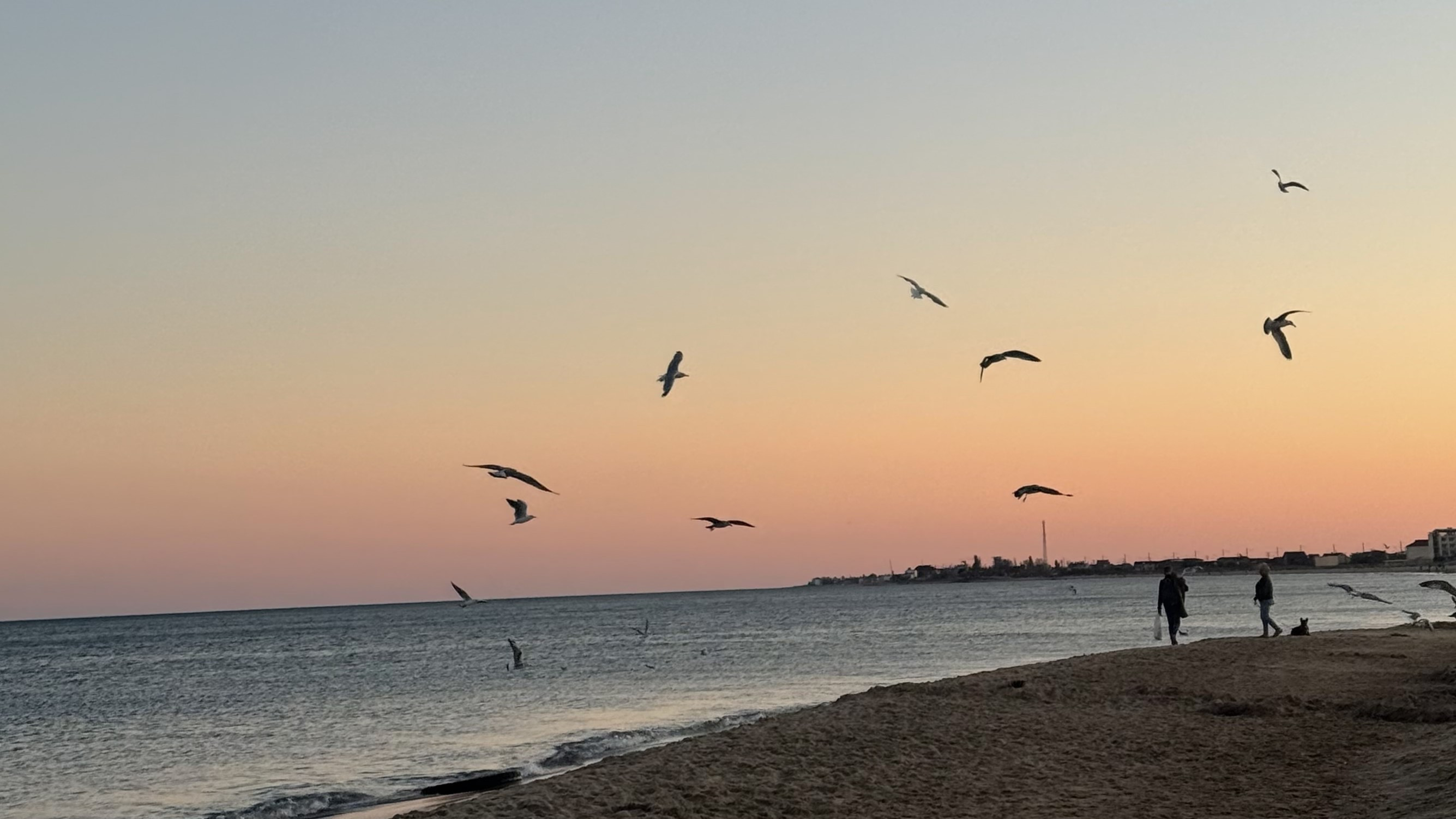
Holidays in Prymorske and Vylkove (Odesa Region) in 2026: Peace, Nature and the Real Ukraine 🌊
Southern Odesa Region today is one of the few seaside destinations in Ukraine where you can still enjoy a peaceful, unhurried holiday. The…